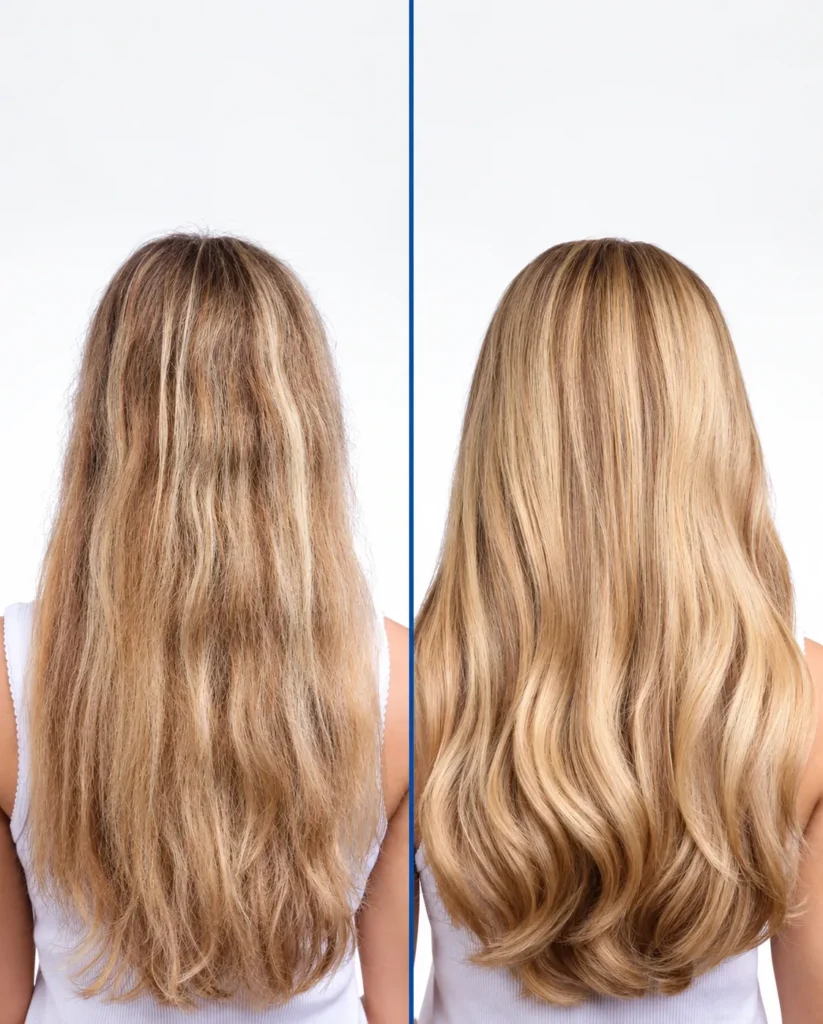
A hair mask is a necessary step in the hair care process for having healthy hair. Dries and damaged moisturize hair,softens tame frizz and smooth-shiny hair look. Curly, straight, oily, dry or damaged whatever your hair type, a good hair mask can leave your hair looking healthier and easier to style. There are so many choices and it can be difficult to know which hair mask best suits your hair type.
What Is a Hair Mask?
A hair mask is a treatment for your hair that’s a bit like a thick conditioner. You put it on after shampooing and leave it on for a certain amount of time. Then you wash it off.Most masks have effective ingredients such as oils, butters, proteins and vitamins. These components enter deep into the hair and nourishes it internally. A hair mask is like a face mask, but for your hair. It’s not for daily use. You need a good hair mask only once or twice a week to give your hair a little extra support. To save time, you can buy a hair mask at the store. You can also make a hair mask at home using kitchen staples like honey, yogurt or coconut oil.
How Does a Hair Mask Work?
The skin layer is the outer layer of each hair. Tiny tiles that connect like roof tiles. When the tiles are flat, the hair is smooth and shiny. When they lift, hair feels rough and looks dull. Heat, sun, dye, and hard brushing all lift the skin layer. Over time, your hair becomes dry and loses protein. This results in damaged hair, and frizz.
A hair mask helps in three ways:
- It adds moisture. Rich ingredients fill the dry gaps in each strand.
- It rebuilds strength. Protein and amino acids patch weak spots.
- It seals the cuticle. Smooth strands reflect light, so your hair shines.
Because a hair mask has a thicker formula and sits longer on the hair, the results last longer than a regular conditioner.
Top Benefits of Using a Hair Mask
Once a week a hair mask can do wonders in how your hair looks and feels. Benefits of a hair mask.
1. Deep Hydration for Dry Hair
Rough hair is stiff and lifeless. A moisturizing hair mask hydrates the strand by drawing water in and sealing it up. Just one application and your hair’s soft.
2. Repair for Damaged Hair
Heat tools, bleach, and color are all damaging to hair. Protein repair mask aids in the defensive structure of delicate strands. It won’t mend split ends permanently, but it may improve their appearance and texture. Only one thing really helps split ends.
3. Less Frizz
Frizz happens when hair is dry and Its cuticle is rough. The texture of a fine mask will smooth your hair’s surface. Your hair is not only easier to style, it feels amazing and the frizz starts to disappear.
4. Extra Shine
Light is reflected from your hair when it is healthy. A mask makes every single hair smooth and uniform. So your hair ends up looking naturally shiny.
5. Softer, Easier Hair
Masks also help brushes slip through hair. That translates to fewer tugs and less breakage when you comb.
6. Support for Hair Growth
A hair mask doesn’t make new hair grow by itself. Hair grows from the root under your scalp. But a mask can help you hang on to the length you do have. When your strands are stronger, they break less, so your hair looks longer, and fuller, as time goes by.
7. Protection from Daily Damage
Sun, wind, pollution, heat styling, and all that good stuff, they damage your hair. Deep conditioning on a regular basis creates a shield that protects hair from those strains.
Hair Mask vConditioners : What Is the Difference?
Many people ask if they really need both. The short answer is yes, and here is why.
| Feature | Conditioner | Hair Mask |
| Texture | Light | Thick and rich |
| Time on hair | 1–3 minutes | 5–30 minutes |
| Use | Every wash | 1–2 times a week |
| Goal | Daily softness | Deep repair and hydration |
| Ingredients | Basic | Concentrated |
A conditioner smooths the surface of your hair each day. A hair mask goes deeper and does more repair work. Use both for the best results.
Types of Hair Masks and Who Should Use Them
Every hair mask is not for everyone. Pick the right one for you.
Moisturizing Hair Mask
Look for shea butter, coconut oil, argan oil and aloe vera. These ingredients restore softness and bounce.
Best for: dry hair, curly hair, and coarse hair.
Protein Hair Mask
These masks provide a combination of moisture and protein. They are effective for when your hair feels both dry and delicate.
Best for: weak, limp, or damaged hair.
Repair Hair Mask
These masks blend moisture and protein. They work well when your hair feels both dry and weak.
Best for: bleached, colored, or heat-styled hair.
Anti Frizz Hair Mask
Look for oils and smoothing agents. They Gentle flyaways and keep the cuticle flat.
Best for: frizzy hair and hair in sticky weather.
Clarifying or Scalp Hair Mask
Search our shop for clay, tea tree oil or apple wine vinegar. They clean the scalp and rebalance it without weighing the hair.
Best for: oily scalp, dandruff, and product buildup.
Color Protecting Hair Mask
These masks also slow down the speed of color Waning and keeping the brightness. Styling tips: When colour treated, use a sulphate free formula for best results.
Best for: dyed hair.
Lightweight Hair Mask for Fine Hair
Choose a gel or cream based mask with a light formulation. Heavy oils can make fine hair look flat and greasy.
Best for: thin or fine hair.
How to Choose the Best Hair Mask for Your Hair
The best hair mask will be Customized to your hair type and your central an interest.A good rule if your hair is dry, opt for a hydrating mask with oils or butters.
- Dry hair: pick a moisturizing mask with oils and butters.
- Damaged hair: pick a repair or protein mask.
- Frizzy hair: pick an anti frizz or smoothing mask.
- Oily hair: You need a light mask and just on your ends.
- Curly hair: hair mask is softening, rich in moisture and free from harsh sulfates.
- Fine hair:Choose a lightweight formula and use caution.
- Color treated hair: pick a color-safe mask.
Look at the label every time. Avoid products that contain a lot of alcohol or that smell really strong if you have dry or sensitive hair.
How to Use a Hair Mask: Step by Step
Applying a hair mask properly makes all the difference. Follow these simple instructions.
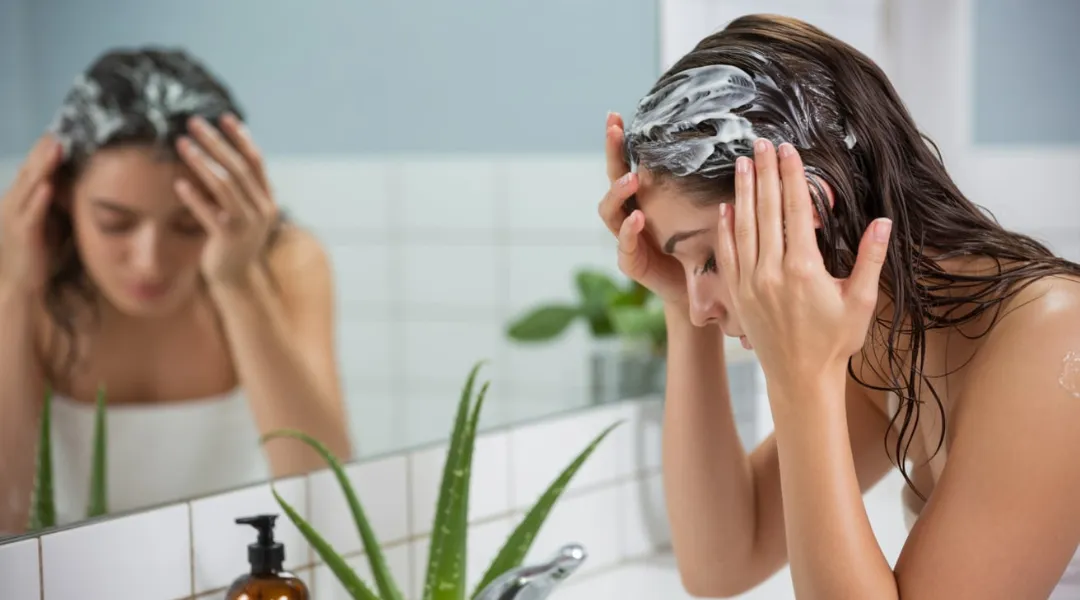
Wash your hair:Choose a Moderate shampoo. The mask is better to clean hair.
Squeeze out extra water:Your hair should be wet, but not soaking wet. An excess of water can weaken the effect of the mask.
Take the right amount: For short hair, a little goes a long way. A coin sized amount is Enough. More is needed for long or thick hair.
Apply from mid length to ends: The ends of your hair are usually the driest, so concentrate the mask on them. Do not apply to your roots and unless the product is intended for your scalp.
Comb it through:Use a wide tooth comb to your hair and evenly distribute the mask.
Leave it on:Apply and leave on for the indicated time on the label, usually around 5-20 minutes. For a more intense treatment, wrap your locks in a warm towel or plastic shower cap.
Rinse well: Rinse with cool or warm water. Hot or Cold. Cold water can help to seal the hair cuticle making the hair appear shinier.
Dry and style as usual:Let your hair air dry when you can to limit heat damage.
How Often Should You Use a Hair Mask?
The right schedule depends on your hair.
- Very dry or damaged hair: twice a week.
- Normal hair: once a week.
- Oily or fine hair: once every two weeks.
- Color-treated or curly hair: once or twice a week.
Do not over do it. Too many masks can leave hair heavy, greasy. If your hair feels weighed down, cut back a little.
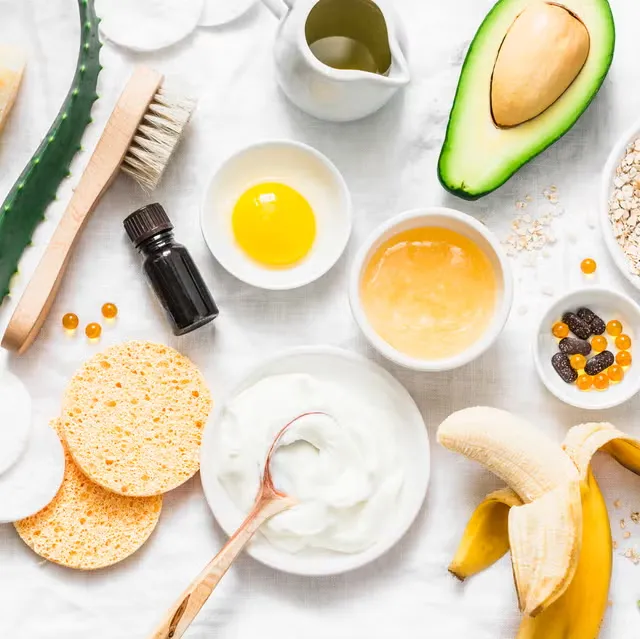
Easy Homemade Hair Mask Recipes
You dont always have to purchase the product. A DIY hair mask can be very effective and inexpensive. Always perform a patch test before use to test for allergic reactions.
1. Banana and Honey Hair Mask for Dry Hair
What you need:
- 1 ripe banana
- 1 tablespoon honey
- 1 tablespoon olive oil
How to make it: Mash the banana until it is smooth. Mix in the honey and oil. Apply to damp hair. Leave it for 20 minutes. Rinse well.
Why it works: Banana adds softness, honey holds moisture, and olive oil adds shine.
2. Egg and Yogurt Hair Mask for Weak Hair
What you need:
- 1 egg
- 3 tablespoons plain yogurt
- 1 teaspoon lemon juice
How to make it: Whisk all items together. Apply from roots to ends. Leave it for 15 minutes. Rinse with cool water, not hot, so the egg does not cook in your hair.
Why it works: Egg gives protein, and yogurt adds moisture.
3. Coconut Oil Hair Mask for Damaged Hair
What you need:
- 2 tablespoons coconut oil
How to make it: Warm the oil slightly. Apply it to the mid-length and end. Leave it for 30 minutes or overnight. Shampoo it out well.
Why it works: Coconut oil can help reduce protein loss and adds softness.
4. Aloe Vera and Avocado Hair Mask (for Frizzy Hair)
What you need:
- 1/2 ripe avocado
- 2 tablespoons aloe vera gel
- 1 teaspoon honey
How to make it: Mash the avocado well. Mix in the aloe and honey. Apply to damp hair. Leave it for 20 minutes. Rinse well.
Why it works: Avocado is rich in healthy fats, and aloe soothes and smooths.
5. Onion Juice or Fenugreek Mask (for Scalp Care)
A lot of people grind fenugreek seeds which are left to soak overnight. Leave it on the scalp and hair for 30 minutes. It can relieve the scalp. Just keep in mind that these are Home remedies, and none of these home treatments have been proven by science to regrow hair. Use them with caution, not as a cure.
Common Hair Mask Mistakes to Avoid
Even a great hair mask will not work well if you use it wrong. Watch out for these mistakes.
- Applying to the roots:This can make your scalp oily and your hair flat.
- Using too much product:More is not better. It only leaves buildup.
- Rinsing too soon:Give the mask time to work.
- Using hot water:Hot water strips moisture. Use lukewarm or cool water.
- Picking the wrong type:A protein mask on already stiff hair can cause more damage.
- Using it too often:Stick to a set schedule.
- Skipping a trim:A mask cannot fix split ends for good. Trim every 8 to 12 weeks.
Extra Tips for Healthier Hair
A hair mask works best when paired with good daily habits.
- Use a gentle shampoo and skip daily washing if you can.
- Limit heat tools. Use a heat protectant when you style.
- Sleep on a silk or satin pillowcase to reduce friction.
- Eat a balanced diet with protein, iron, and healthy fats.
- Drink plenty of water.
- Protect your hair from strong sun with a hat or scarf.
- Comb your hair gently, starting at the ends.
Are There Any Side Effects?
- Most people can use a hair mask without risking damage. Yet, there are some safety measures.
- A few people may be sensitive to some of the ingredients. Do a patch test first on the inside of your arm, for starters.
- Powerful DIY ingredients such as lemon or onion may cause skin irritation.
- In the event of a rash, itching or redness, wash the mask off and discontinue use.
- If you’re experiencing constant hair shedding or scalp issues, consult a physician or dermatologist.
FINAL THOUGHTS
A hair mask gives your hair more intense moisture and Food than your usual routine. The right formula can make dull, frizzy, oily, processed or curly hair feel softer and look shinier. Here’s a run down on what a hair mask can do for you, how to apply one and which you should use, based on your hair and its needs. Tips on deciding what to buy and an easy care routine are included, too. With a mask that addresses your needs and regular Upkeep, soft, manageable hair may be just a few washes away.
Frequently Asked Questions
Can I leave a hair mask on overnight?
Certain oil based masks are okay to leave on overnight. Not all masks you buy in the store really have the power to help with all that. Always adhere to the label.
Should I use a hair mask on wet or dry hair?
Most masks hold up best when applied to clean, damp hair. Some oil treatments apply to dry hair. Read the instructions on the product.
Can a hair mask stop hair fall?
Hair masks help prevent breakage by strengthening hair. It cannot treat hair loss that is due to the scalp, diet, stress, or illness.
Can I use a hair mask every day?
No. Can be used to massage the scalp daily & daily use can weigh hair down and cause build up. For most people, once or twice a week is enough.
Do I need shampoo before a hair mask?
Yes. The cleaner the hair, the better the mask will absorb. Shampoo should be applied first, followed by the mask.