
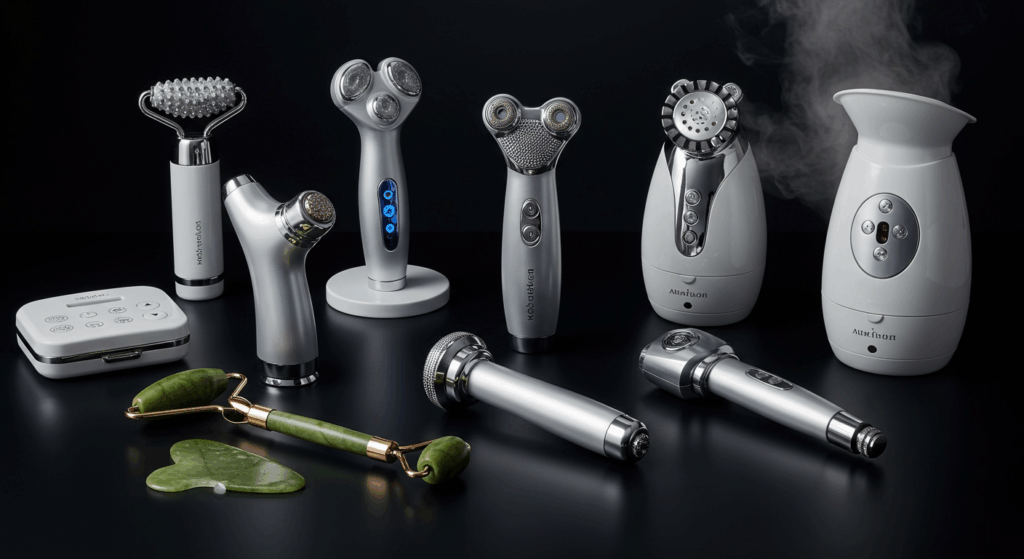
Skincare was the domain of guesswork ordering new products, spending two months or more awaiting any results, and hoping they were compatible with your skin. That era is coming to an end.
With smart home devices, the skincare industry has evolved into an experience-based, data driven journey that guides real skin needs rather than generalized recommendations from the internet.
This guide explains how these connected beauty tools work, the actual benefits they can bring to your routine, and how best to get the most out of them and all without recommending any specific brand, so you can make an unbiased purchase decision based on the features that matter most to you.
What Are Smart Home Skincare Devices?
Smart home skincare devices, also known as smart skincare gadgets, are small devices mirrors, wearables, handheld scanners, or app-connected devices that allow users to analyze their skin at home and convert that information into customized guidance.
Instead of guessing while staring into your mirror, you have actual numbers: your hydration percentage, your oil levels, how congested your pores are, even the nascent signs of fine lines.
These products bring expert dermatologist-level, at-home skin analysis to your bathroom cabinet and live at the crossroads of consumer electronics and dermatology.
How These Devices Actually Work
Most smart skincare gadgets rely on AI skincare technology combined with a mix of the following:
- Sensors that measure the levels of moisture, oil, and pH on the skin surface
- High resolution cameras that magnify pores, wrinkles and pigmentation that can’t be seen with the naked eye
- Connects through Bluetooth or Wi-Fi to send data to a companion application
- AI-provided analysis that matches your results to patterns of skin-health and recommends routines
After the scan, the app often provides a basic overview of what’s getting better, what needs work, and what type of products or habits can help.
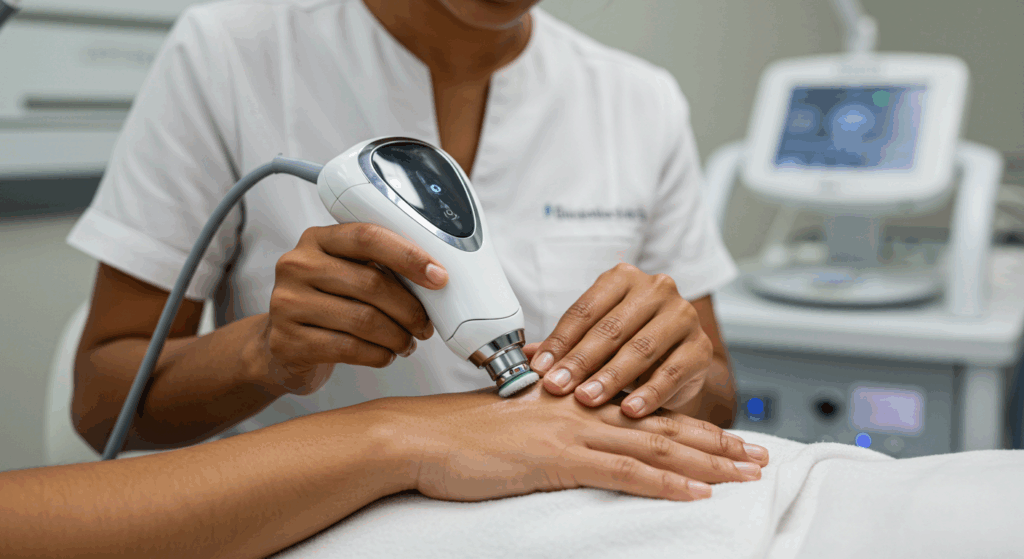
Key Features to Look For in Skin Monitoring Devices
Before purchasing any smart skincare device, verify if it has the following:
| Feature | Why It Matters |
| Hydration tracking | Prevents over-drying and flaky patches |
| UV exposure monitoring | Reduces long-term sun damage |
| Pore and texture scanning | Helps tailor cleansing routines |
| Progress history | Shows whether your routine is actually working |
| App compatibility | Facilitates tracking and reminders. |
Not every gadget needs every function choose according to your main worry, whether that’s acne, aging, dryness or sensitivity.
Smart Home Devices Skincare Tips for Beginners
If you’re new to this, here are a few things to keep in mind:
- Scan at about the same time daily. Since the humidity, temperature, and time of day affect the skin readings, the results are more reliable when the scans are done at the same time.
- Make sure your skin is clean before you scan. Remaining makeup or sunscreen can affect the sensor’s readings.
- Avoid chasing the daily numbers. Follow trends over a week or a month rather than reacting to a single scan.
- Pair data with common sense. If a device suggests a product ingredient, patch-test it first especially if you have sensitive skin.
- Keep the device clean. Sensors and camera lenses need regular cleaning to stay accurate.
- Use it as a guide, not a diagnosis. For serious issues like cystic acne or rosacea, a dermatologist visit is still essential.
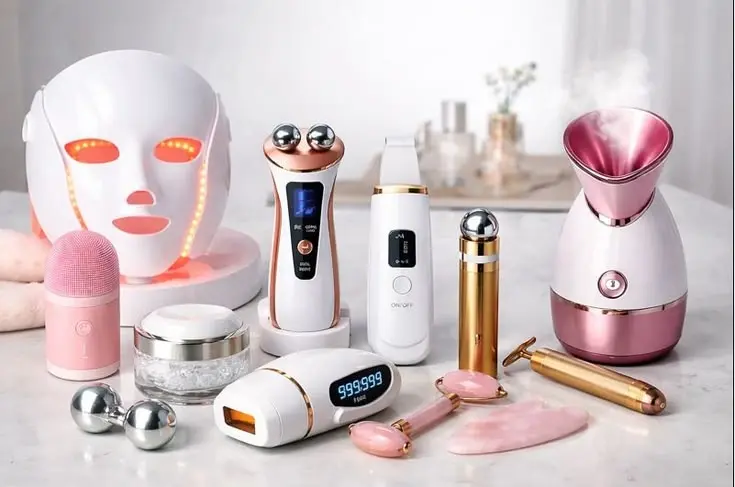
Benefits of Adding Smart Devices to Your skin care Routine
Technology of personalized skincare: Instead of after generic recommendations, your regimen adapts to the actual state of your skin on any day.
Early detection of problems: Minor deviations from normal hydration or oil production frequently occur prior to the onset of visible symptoms, so you can get a head start on prevention.
Convenience: You avoid unnecessary clinic visits for simple monitoring, and you only schedule an appointment if something really requires your doctor’s attention.
Good long term spending: Understanding what your skin genuinely needs prevents you from buying products on an impulse only to find out they’re not right for you.
Common Mistakes to Avoid
- Buying a device based on its price and not your actual skin concern
- Ignoring the app’s trend charts and only viewing single readings
- Using the device under inconsistent lighting or humidity conditions, which can affect camera-based scans
- Treating the device as a substitute for professional dermatological treatment
- Forgetting to update the companion app, which can impact analysis accuracy

The Future of At Home Skin Tech
The new era of intelligent skincare tools and connected beauty devices is headed toward:
- Wearable patches that monitor skin daily in real time
- Augmented reality previews that give you a sense of how a product will look on your skin before you buy it
- DNA-based routines with DNA insights and real-time sensor information
- Teledermatology support, with scan data sent directly to a skin specialist for expedited, more informed consultations
And they are likely to become bathroom staples, equating to the electric toothbrush, as these devices become more affordable and more accurate.
Final Thoughts
Skincare is under pressure from the same forces redefining everything else in our lives, from dating to shopping: smart home devices are turning guesswork into data-driven and customized routines. When used properly and consistently, and when needed with advice from professionals, they can help you create a routine that really fits your skin’s needs, as opposed to the one that worked for so-and-so.
Frequently Asked Questions
Are smart skincare devices accurate?
Most are reliable for tracking trends like hydration and oil levels, though they aren’t a substitute for a professional diagnosis.
Are these devices equivalent to a professional dermatologist?
No. They’re really intended to be used in conjunction with professional treatment not in place of it, particularly when treating chronic or serious skin conditions.
Is it safe to use these devices on sensitive skin?
Generally yes, since most only measure surface data without applying anything to the skin but always check the manufacturer’s guidance if you have a known skin condition.
How frequently should I examine my skin?
Monitoring hydration and oil is appropriate for daily use, but a more detailed analysis (such as monitoring wrinkles or pores) can be given once or twice a week.
Do smart skincare devices make sense to buy?
If you’re looking for a more educated, less trial-and-error approach to skincare, they’re a worthwhile investment particularly for people with specific concerns to manage, like acne or early signs of aging.