High porosity hair can absorb moisture but it is equally fast at losing it. Which is why your hair is dry, frizzy and breaking. What To Know About High Porosity Hair Signs, Causes, and How To Care For It To care for high porosity hair, you’ll need to understand what it is and what causes it.
In this post, you will learn how to test for high porosity hair, the causes of high porosity hair and what to do to take care of it. Whether you were born with high porosity hair or it’s been damaged through heat styling, coloring or chemical treatments, the right products and a good routine make a world of difference in helping to restore its health.
What Is High Porosity Hair?
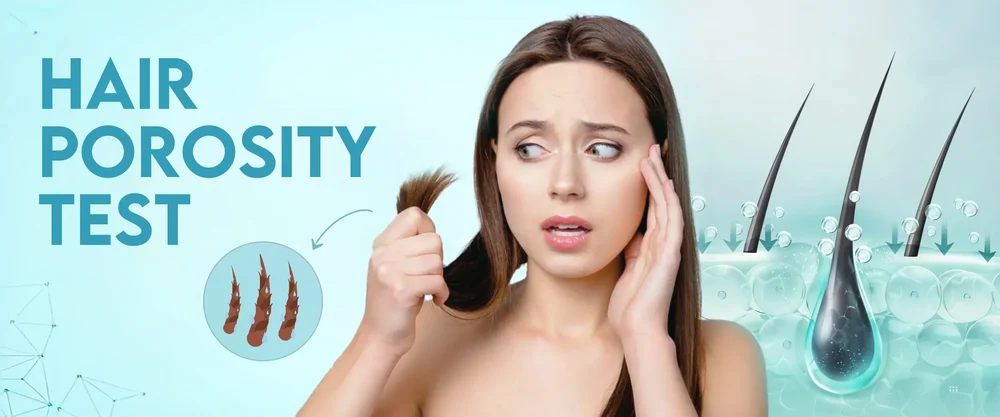
Hair porosity is your hair’s Power to take in moisture and hold onto it. When they lie flat, water enters slowly and stays trapped more easily. If they’re lifted or worn, moisture and hair products get in fast but can escape just as quickly. That’s why high-porosity hair may feel rough, dry, or frizzy not long after washing.
Signs of High Porosity Hair
Not sure if this is you? These are some warning signs to look out for:
- Your hair gets wet very fast in the shower.
- Your hair quickly dries after being washed.
- Your hair is dry, rough, or it feels like straw.
- Has frizz become more and more regular, in particular, in wet weather.
- Your hair Complex and Hairstyles up too easily.
- The products melt away and do not Exist.
- His/her curls won’t hold a shape.
- Your hair is dully dull instead of shiny?
If you agree with the majority of these, then your hair is most likely very high in porosity.
What Causes High Porosity Hair?
There are two main causes. Some people are born with it. Others get it from damage.
Genetics
Some people just have a naturally more open cuticle. If your parents have dry, frizzy hair, you might have to deal with the same problem. A natural hair is often more porous due to its shape: Curly and coily hair types tend to be more porous because the cuticle rises at each curve of the hair’s strand.
Heat Damage
Flat irons, curling wands and blow dryers all provide extreme heat. Heat raises the cuticle and heat can even damage the cuticle. It has Protracted gaps if used too often, that’s the truth.
Chemical Treatments
Bleach, hair color, relaxers, and perms all affect the hair’s structure. The biggest cause is bleach. It opens the cuticle to strip color, and it can’t always close.
Rough Handling
Brushing wet, knotted hair also damages the layer. The same goes for tight hairstyles and unfriendly towel drying. Over time, that adds up.
Sun and Weather
Strong sunshine, wind the hair’s outer coating. Salt water can also dehydrate hair.
How to Do a Hair Porosity Test
Porosity test: You can test hair porosity at home. Here are three simple methods. For best results, begin with your hair free of any products.
The Float Test
- Pick a few strands of hair clean and hold a few clumps of hair clean.
- Put them in a glass of room temperature water.
- Hold on for 2-4 minutes.
If your strands sink they’re fast, there is a high chance you have high porosity hair. If they stay afloat for quite some time, your hair is likely to have low porosity.
The Spray Bottle Test
Pick a small section of clean, dry hair. Spray it with water. If the water absorbs at once, your porosity is high. When water lies on your hair in beads, your porosity is low.
The Strand Slide Test
Hold one strand between your fingers. Run your fingers upwards towards your scalp. If the strand is rough or feels like you have nothing but tiny stick quarters on your finger, your cuticle is raised. That points to high porosity.No test is perfect. Give two or three a go, and trust what you see.
High Porosity Hair vs Low Porosity Hair
These two types are opposites. Knowing the difference helps you pick the right products.
| Feature | High Porosity | Low Porosity |
| Cuticle | Open or lifted | Tight and flat |
| Water absorption | Very fast | Very slow |
| Drying time | Fast | Slow |
| Product use | Absorbs too much | Sits on top |
| Common problem | Frizz and dryness | Product buildup |
Low porosity hair struggles to let moisture in. High porosity hair struggles to keep moisture in. So your care plan must focus on sealing.
High Porosity Hair Care: The Basics
The goal is simple. Add moisture, then lock it in. Here is how.
Use Rich, Creamy Products
Light, watery products simply won’t hold up on this hair type. Opt for rich creams, butters and thick conditioners. They coat the strand and plug the holes.
Try the LOC Method
LOC stands for liquid, oil and cream. This is a well known method for locking moisture.
Liquid: Spray water-based leave in on damp hair.
Oil: Put on some oil to lock in the moisture.
Cream: To top it all off, finish with a cream.
Cream: Some people find that they prefer the LCO method, which involves using cream before oil. Both, test and keep whatever works best for you.
Use a Deep Conditioner Every Week
A deep conditioner hydrates your hair.You take 20 to 30 minutes to relax once a week. Cover your hair with a towel to help the moisture of the treatment.
Add a Protein Treatment
Protein plumps up those gaps in the layer. That makes the strand stronger. A protein treatment every four to six weeks is a good baseline. Don’t push it. Too much protein can make your hair stiff and brittle too. If your hair feels hard then switch back to moisture for a bow.
Rinse with Cool Water
The hot water makes the cuticle lift up even more. End with a cool to close the layer and Neat. It also adds shine.
Best Ingredients for High Porosity Hair
Check the label for these ingredients:
- Shea butter: This is a butter which helps to lock the moisture in.
- Castor oil: This is a thick oil that lays on top of the strand.
- Avocado oil: Full of vitamins and very strong.
- Olive oil: A natural sealing oil that a lot of people already have.
- Hydrolyzed proteins: Small proteins that fill gaps in the hair.
- Aloe vera: Adds light moisture and calms the scalp.
- Glycerin: Glycerin is a Balm , which means it pulls water into the hair, but does not over use in very cold or hot Weather.
Watch out for products with lots of alcohol that can dry out your hair, pulling its natural moisture and leaving it breakable and damaged. And stay away from harsh sulfates, which strip natural oils.
A Simple Wash Day Routine
Here is an easy routine you can follow.
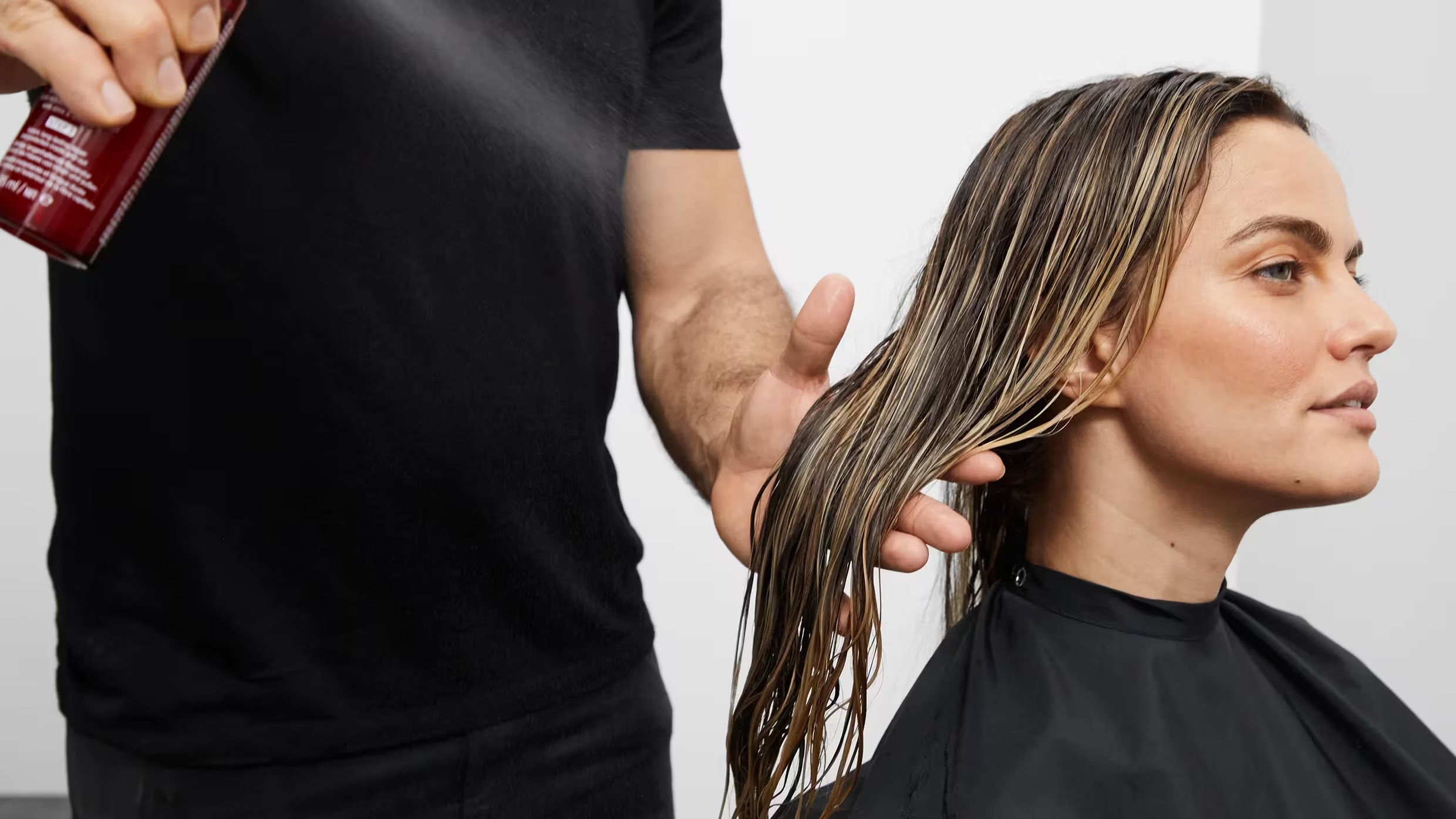
- Pre-poo: Before washing, hair covering with oil or a leave-in conditioner. This shields your hair from the Undressing.
- Shampoo gently: choose a Gentle shampoo without sulfates . Focus on your scalp, instead of on the lengths.
- Deep condition: Apply your deep conditioner. Leave it on for 20 to 30 minutes.
- Rinse cool: Rinse with cool water to help seal the layer.
- Apply the LOC method: Add your leave-in, oil, and cream while hair is still damp.
- Dry gently: Use a soft cotton T-shirt or towel. Do not rub. Air dry when you can.
Common Mistakes to Avoid
Many people make these mistakes and don’t even realize it.
Using too much heat.
Heat is the extreme thing you can do to this hair type. If you need to apply heat, make sure the temperature is low and use a heat safety at all times.
Skipping conditioner.
A conditioner is not an option. High hair requires it with every wash.
Washing too often
Over washing can lay the skin and hair of its natural oils. You should try to wash every other day.
Using only light products.
Light gels and spray rinse wash away or dry too fast.Follow with heavier products.
Sleeping on cotton.
A cotton pillow case bites the moisture right out of your hair. Switch to silk or smooth. A smooth Cap also works.
Brushing wet hair hard
Wet hair is the hair’s weakest point. Use a wide toothed comb. Work slowly from the ends.
Can You Repair High Porosity Hair?
If your hair has a high porosity due to damage, it can be fixed. You can’t close a cuticle that is fractured, heavily broken.But you can make your hair healthier, softer and easier to control.
Push split ends back, snip them off with scissors. Lower heat, less dye. Moisture and protein. Be patient. Hair grows in a snail space so you’ll need a couple of months to notice any changes. If your porosity is due to genetics, there’s no real way to change that. But you can still have healthy hair. It just needs the right care.
Final Thoughts
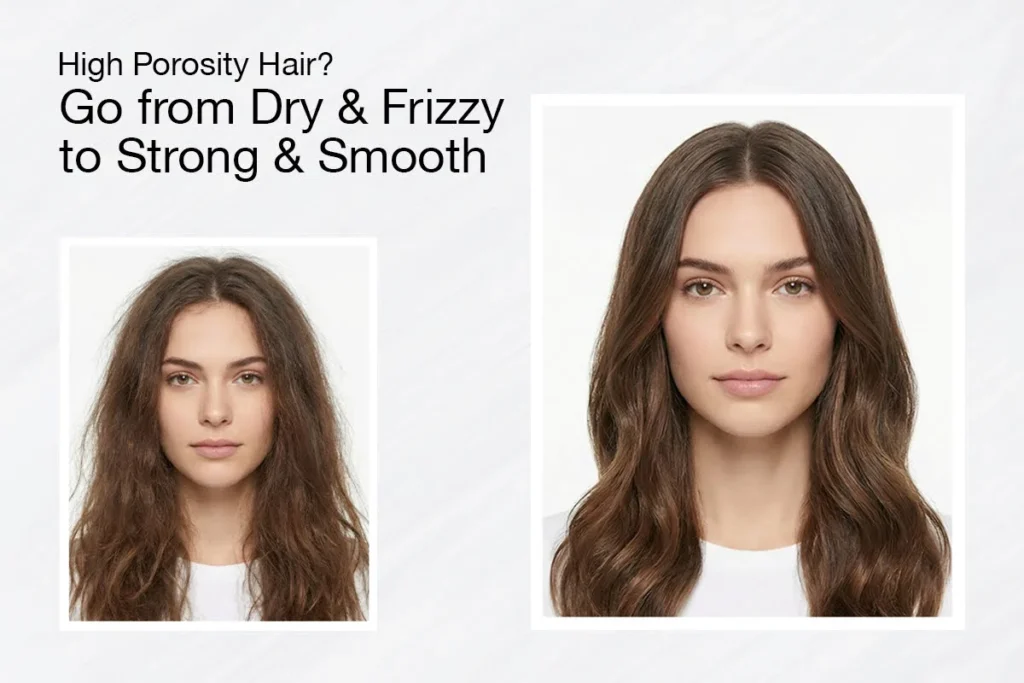
High porosity hair dries out quickly. That’s why it tends to feel dry and frizzy. But with a few good habits, you can turn that around.Test your porosity first. Then go in with heavy stuff, deep condition weekly, whenever you need to add protein, seal it all in with the LOC method. Be gentle to your hair and reduce the amount of heat use.Keep on keeping on. In a few weeks you should have softer, shinier and healthier hair.
Frequently Asked Questions
Is high porosity hair bad?
No. It’s just hair. It does take a little more effort to retain moisture, but with care you can have beautifully healthy hair again.
How often should I wash high porosity hair?
Most people feel that washing their hair once or twice a week is sufficient. Unless you’re sweating a lot or using a lot of products, you only really need to wash your hair less.
Do oils really help high porosity hair?
Yes. Oils lock moisture into the hair shaft. They should be used after you have applied water or something water-based so the oil has something to lock in.
Can porosity change over time?
Yes. Heat, color and sun can cause your hair to be more porous. With good care, however, it can be brought back near normal.
Is protein good for high porosity hair?
Yes but not too much. Protein can help to make your hair strong and can help to repair weak spots. Once every couple of weeks, you can use a treatment and then you can either increase or decrease depending on how your hair feels.