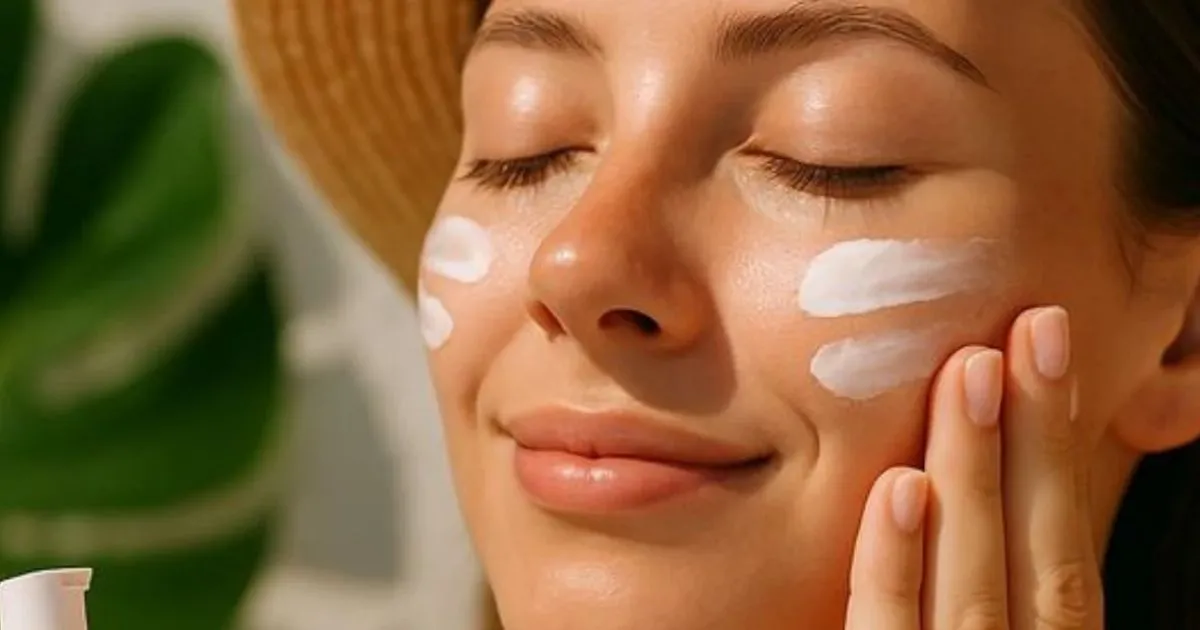
For oily skin, choosing the right sun screen can be the difference between having protected skin and feeling like you’re in a shiny mess. Good sunscreens are usually Designed for General sun protection and are light weight, non Pore and work all day long. For daily use, select a gel, fluid or matte finish sun screen with an SPF of at least 30. With the Suitable treatment product for your skin type, and a little Devotion , you can have healthier, protected skin and a matte, shine free finish.
Why Oily Skin Needs a Different to Sunscreen
Oily skin produces more sebum than normal or dry skin types. This extra oil can make regular sunscreens feel heavy, or even activate break outs.
The Problem With Traditional Sunscreens
Many traditional sunscreens are formulated with heavy, occlusive bases that provide moisture, which is the last thing on the wish list of those with oily skin. These products lay on the skin and interact with sebum, resulting in a shiny, greasy finish, often by the time we hit mid-day.
Why Skipping Sunscreen Backfires
When buy the best sunscreen for oily skin, look for formulas that control oil and shine, which fill your pores and offer full wide ranging protection. Not applying sunscreens on the fear of getting oily is not a solution either. Un protected skin is more likely to become hyper Dye, sun burned and damaged in the long run, and all of those things can make oily, acne prone skin look even worse as time goes on. Understanding Your Skin Before You Shop
Understanding Your Skin Before You Shop
Before picking a product, it helps to understand what “oily skin” actually means for sunscreen shopping.
Signs You Have Oily Skin
- You plan your T-zone (forehead, nose and chin) glows a few hours after you wash your face
- You have a normal blackhead, whitehead or pimple situation
- Your makeup is melting off or caking by noon at the latest
- Your pores seem large especially on your nose and cheeks
Oily Skin vs. Combination Skin
Combination skin is oily in certain areas of the face such as the T zone (forehead, nose, and chin) and normal, or dry on the cheeks and along the jawline. If that sounds like you, I would say an oil-free, lightweight sunscreen made for oily skin will still do a good job, as it won’t take away moisture from your drier areas like a heavy mattifying formula might.

Key Ingredients to Look For in a Sunscreen for Oily Skin
Not all sunscreens are created equal. When shopping, check the ingredient list for the following:
1. Niacinamide
Niacinamide controls Body oil Making and reduces Swelling, making it a hero ingredient in sun screens for oily and acne-prone skin.
2. Zinc Oxide
Mineral sunscreens with zinc oxide stay on the surface of the skin, instead of being absorbed into it. Modern zinc formulas are now light weight and shine, a far cry from the thick, chalky sunscreens of the past.
3. Silica and Kaolin Clay
These components absorb oil as you perspire or as your skin starts to produce more oil naturally during the day, allowing the sunscreen to stay matte for a longer period of time.
4. Hyaluronic Acid
Oily skin needs hydration too.Hyaluronic acid provides a non-comedogenic hydration which keeps the skin barrier well hydrated.
5. Salicylic Acid
A handful of sunscreens include a small amount of salicylic acid, an exfoliant that aids pore clarity. It’s particularly beneficial if you have the occasional breakout on your skin as well.
Ingredients to Avoid
Ingredients That Commonly Clog Pores or Add Shine
- Heavy oils: such as coconut oil or mineral oil, which can clog pores
- Comedogenic emollients:like isopropyl myristate
- Thick, cream based formulas:meant for dry or mature skin
- Alcohol heavy formulas:in excess, which can strip skin and trigger a rebound in oil production
Best Types of Sunscreen Formulas for Oily Skin
Gel Based Sunscreens
Gel sunscreens are fast absorbing, they do not leave any white residue and are very refreshing. They’re also one of the top sellers for people with active breakouts and those living in hot, humid climates.
Matte Finish Sunscreens
If you don’t use makeup but just want your skin to look smooth and matte all day, they’re a safe bet. Liquid sunscreen is the sweet spot when moisture and oil control.
Fluid or Lightweight Lotion Sunscreens
They glide on easily and can be built up with makeup underneath.
Powder Sunscreens For Touch Ups
Powder sunscreen isn’t intended to replace your initial application in the morning, but it’s great for applying throughout the day, even over makeup, without breaking it up or adding extra shine.
Chemical vs. Mineral Sunscreen: Which Is Better for Oily Skin?
| Factor | Chemical Sunscreen | Mineral Sunscreen |
| Texture | Usually lighter, absorbs fast | Can feel thicker, but modern formulas are improving |
| Best for | Everyday wear, under makeup | Sensitive or acne-prone skin |
| White cast | Rare | Possible with older formulas |
| Pore-clogging risk | Depends on formula | Generally lower with non-nano zinc |
Which Should You Choose?
Both types can work well for oily skin. The real deciding factor is the specific formula and added ingredients, not just whether it’s labeled “chemical” or “mineral.”
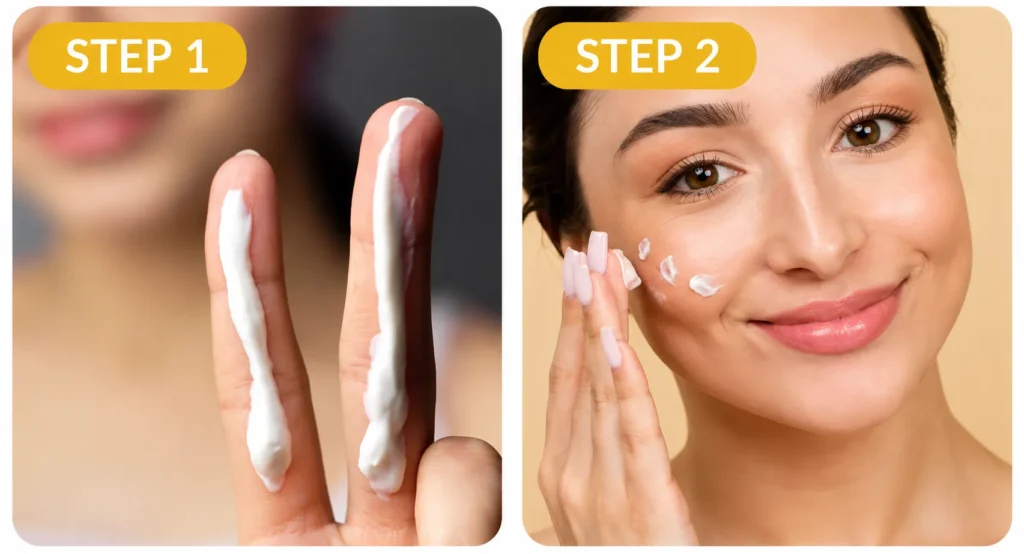
How to Apply Sunscreen on Oily Skin the Right Way
Applying sunscreen correctly makes a bigger difference than the price of the product.
- Cleanse first:Start with a gentle, oil-free cleanser to remove excess sebum before application.
- Use a lightweight toner or essence:This preps the skin without adding heaviness.
- Apply a pea sized to nickel-sized amount:Most people underapply sunscreen, which reduces its effectiveness significantly.
- Wait before applying makeup:Give the sunscreen a minute or two to set before layering foundation or concealer.
- Reapply every two hours:Use a powder sunscreen or blotting sheets combined with a sunscreen spray to reapply without ruining your makeup.
Building a Simple Daily Routine Around Sunscreen
A basic oily skin morning routine might look like this:
- Step 1: Oil free gel cleanser
- Step 2: Alcohol-free toner
- Step 3: Lightweight, oil-free moisturizer optional, if your sunscreen isn’t hydrating enough on its own
- Step 4: Sunscreen for oily skin, broad-spectrum SPF 30 or higher
- Step 5: Makeup (if worn), followed by midday touch-ups with powder or spray SPF
Best Sunscreen for Oily Skin by Skin Concern
For Acne Prone Skin
The Pore clogging and oil free labels, as well as the Being of cinamide or a small amount of salicylic acid, will help prevent breakouts.
For Sensitive, Reactive Skin
When you have sensitive reactive skin, the right sunscreen is necessary to shield your skin from harmful UV rays without making your skin red, dry, or irritated. Search for a mild, fragrance free and light sunscreen for sensitive skin.
For Combination Skin
On more arid parts of your body, a fluid or light lotion sunblock provides enough moisture without overloading an already oily T zone with moisture.
Sunscreen for Oily Skin in Different Climates
Hot and Humid Weather
Fluid or gel type sunscreens are more suitable for high moisture because they are absorbed quickly and will not mix with sweat or sebum.
Cold or Dry Weather
Oily skin continues to produce sebum in the winter, and under heating systems.A light lotion sunscreen with hyaluronic acid that provides a comfortable, non-heavy hydration.
Common Mistakes People With Oily Skin Make
Skipping Sunscreen Entirely
There is also its deterrent power: people who had tried the sunscreen and ended up with oily skin stay away from it. This typically results in additional sun damage and, ironically, worse-looking skin as time goes on.
Choosing Sunscreen Based on Price Alone
A higher cost product is no assurance of a lighter texture. Always read the ingredients and, if you can, test the product before buying the full size.
Not Re applying Throughout the Day
A higher cost product is no assurance of a lighter texture. Always read the ingredients and, if you can, test the product before buying the full size.
Layering Too Many Heavy Products
Sunscreen decomposes with sun, sweat and contact. Not even once in the morning is sufficient for protecting the skin the whole day.
Final Thoughts
Sunscreen for oily skin doesn’t have to feel weight, breakout Causing. You can tame, shine and shield your skin from the sun with oil-free, Pore safe formulas that have ingredients like, zinc oxide, and silica. Integrate your sun screen into a minimal, easy routine and don’t forget to reapply all day your skin will thank you later.
Frequently Asked Questions
Does sunscreen make oily skin worse?
Unless you get the wrong one. Gels, matte-finish and oil-free sunscreens are designed not to contribute to the appearance of shine.
Can I skip moisturizer if my sunscreen is hydrating enough?
Strangely, a lot of sunscreens for oily skin are now formulated with moisturising ingredients like hyaluronic acid, so you can skip a moisturiser.
Is a higher SPF always better for oily skin?
Not really. A SPF of 30-50 is usually enough for daily use. Broad spectrum coverage and reapplication are what matter most.
How often should I reapply sunscreen if I have oily skin?
Two hours at the minimum when outdoors, and a minimum of twice daily if you spend more time indoors than outdoors by windows.
What’s the best sunscreen texture for very oily, acne-prone skin?
Oil free, matte finish, gel-based with niacinamide or salicylic acid are generally the best for very oily, acne prone skin.