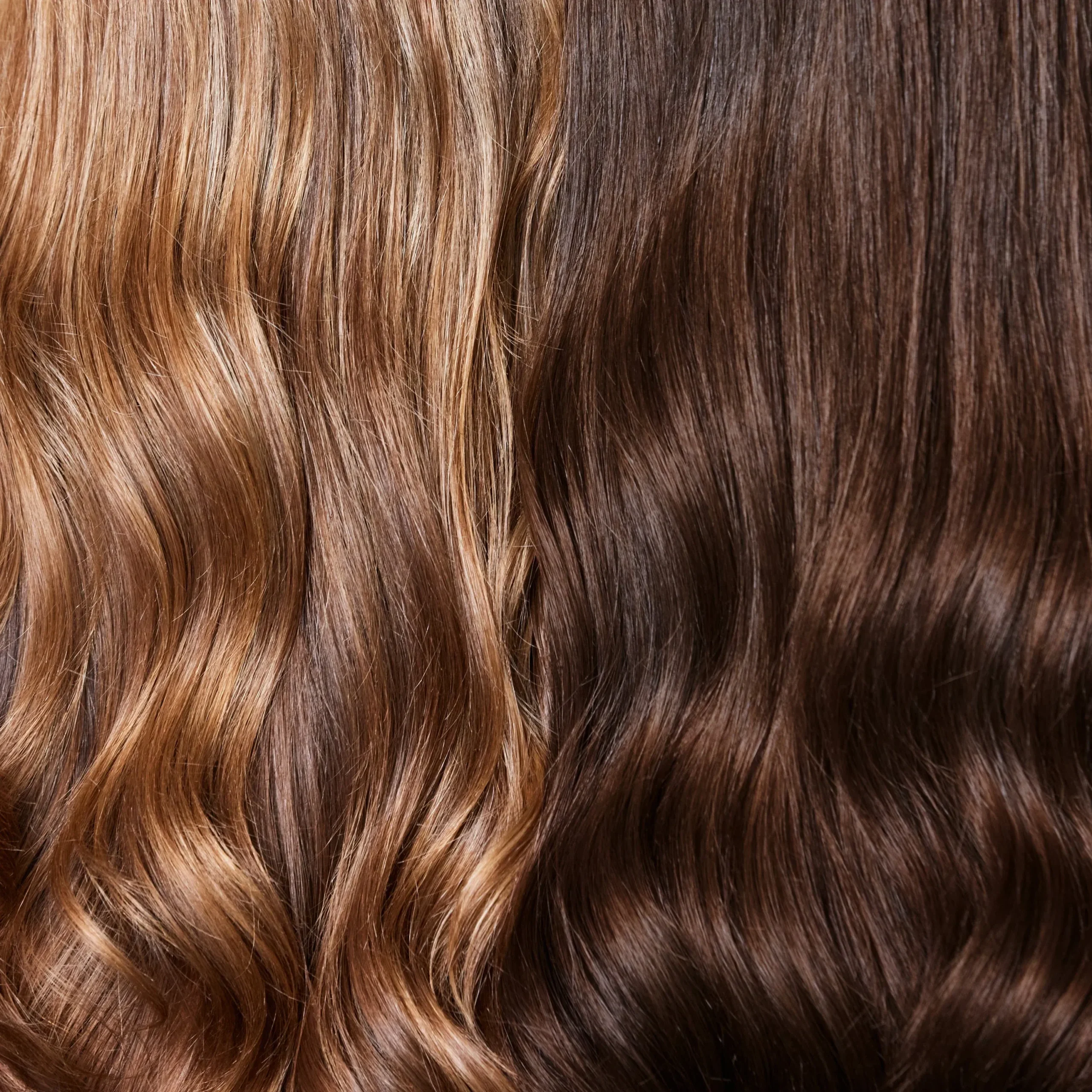
The dye takes effect very quickly. But they do have a tendency to dry out your hair. They may sting your scalp. They can damage you with use.That’s why more people are switching to natural hair color. It’s a healthier way to color hair. It uses plants rather than harsh chemicals. There is good grey coverage. It also adds warmth to your natural colour.Natural hair dye is a good solution for people who would like to alter or refresh their hair colour without having to expose their locks to the likes of chemicals. Items such as henna, indigo, coffee, and various herbs have been used for centuries to color and condition hair.
What Is Natural Hair Dye?
Natural hair dye comes from plants and herbs. It can also come from minerals. It does not use ammonia,does not use peroxide. Natural dye skips PPD too and Henna is a popular choice. Indigo is another.Coffee, beetroot and hibiscus are also good options. These have been used by people for centuries.Many cultures still use them today.
How Natural Dye Differs from Chemical Dye
Chemical dyes open up the hair shaft. The stronger things were applied to your hair to change the color. Natural dyes are kinder. Instead, they coat the strand of hair. That means less damage. Your hair also usually looks shinier.
Why Choose Natural Hair Dye?
- No harsh chemicals:no ammonia, no Bleach, no PPD
- Gentle on your scalp:low irritation risk
- Conditions your hair:adds strength and shine
- Safe for frequent use:no chemical buildup
- Eco friendly:naturally Break down
- Good for sensitive skin:fewer allergic reactions
How Does Natural Hair Dye Work?
Natural dyes stain the surface of your hair, more or less. The color builds up gradually. Every time you put it on, the color gets stronger. This is why the results are often soft and layered.Henna works in a slightly different way. It attaches to the keratin in your hair. That helps the color last longer. It may be there for weeks. Sometimes it lasts months. The color resists fading. It is not washed all at once.
Best Natural Ingredients for Hair Dye
1. Henna For Reddish Orange Tones
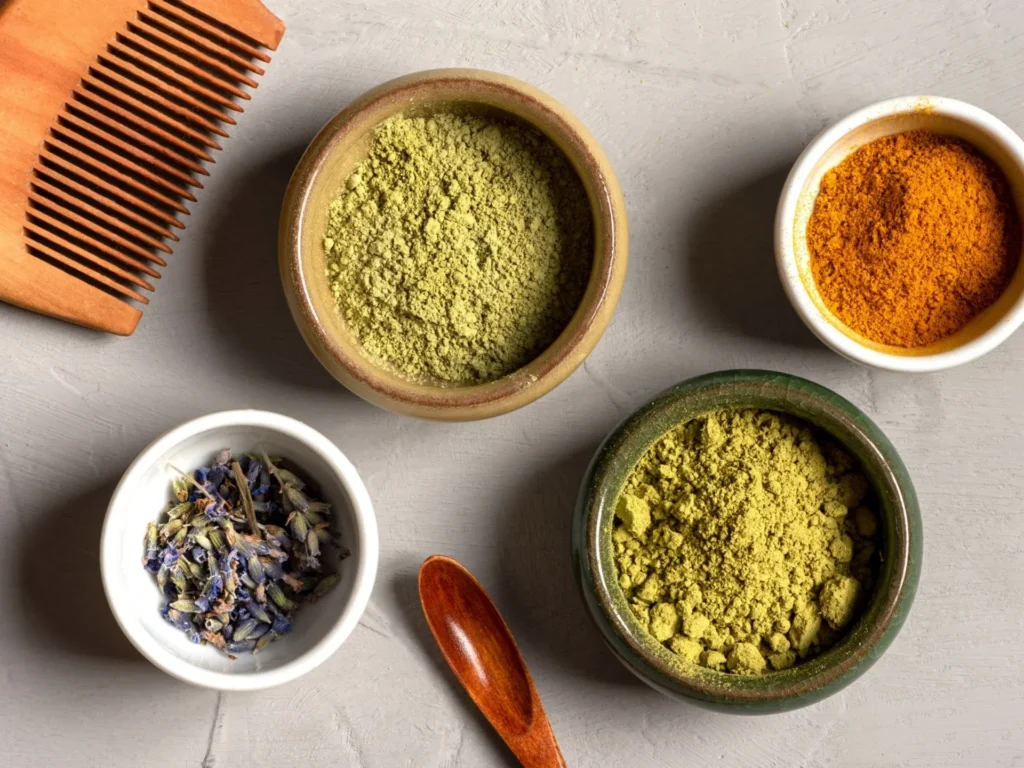
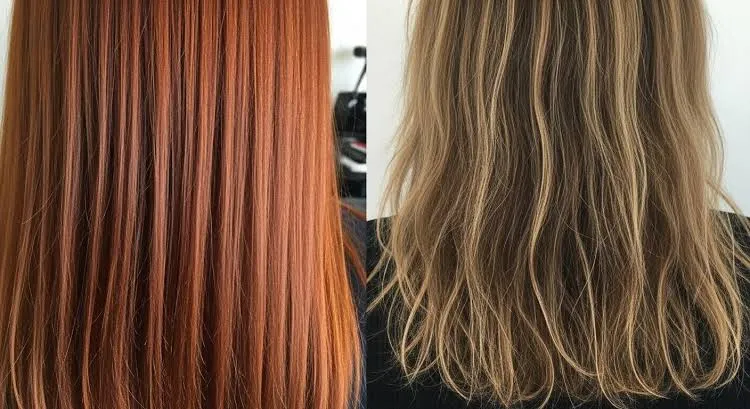
Henna is the most popular natural hair dye. It gives a reddish-orange color.It works great on grey hair. It also conditions your hair as it dyes.
Best for: Red, copper, and auburn shades
How to use it:
- Mix henna powder with warm water or tea
- Stir until it forms a smooth paste
- Let it sit for 6 to 8 hours or overnight
- Apply to clean, dry hair
- Leave it on for 2 to 4 hours
- Rinse well
2. Indigo For Brown to Black Shades
Indigo powder produces darker shades. It is commonly used in combination with henna. Henna by itself produces red tones. Henna and indigo together produce brown or black.
Best for: Brown and black hair
How to use it:
- Apply henna first and rinse it out
- Apply fresh indigo paste next
- Leave it on for 1 to 2 hours
- This two step process avoids a green tint
3. Coffee For Darkening Brown Hair
Coffee is good for small change. It darkens brown hair. It adds depth and richness without a major color change.
How to use it:
- Brew strong coffee and let it cool
- Mix with a leave in conditioner or henna paste
- Apply for 1 to 2 hours
- Rinse well
4. Beetroot and Carrot For Red Highlights
Beetroot and carrot juice provide warm hues. They’re best used on paler or already red hair.
How to use it:
- Blend fresh beetroot and carrot
- Extract the juice
- Apply directly to your hair
- Leave for 1 hour, then rinse
5. Hibiscus For Shine and Light Tint
Hibiscus gives a gentle reddish color. It also adds Shine. It is also popular among hair growth users.
How to use it:
- Blend hibiscus petals with water or yogurt
- Apply as a paste
- Leave for 30 to 45 minutes
6. Black Tea and Walnut Shells For Grey Coverage
They both naturally darken their hair. They also work wonders on stubborn greys.
How to use it:
- Boil black tea until it’s strong
- Let it cool
- Rinse your hair with it repeatedly
Or:
- Mix walnut shell powder into a paste
- Apply for deeper, darker coverage
How to Apply Natural Hair Dye at Home
Good results need good preparation. Follow these steps closely.
Step 1: Do a Strand Test
Test the dye on a lock of hair. This will give you the true color. It also tests for any reaction.
Step 2: Pick the Right Liquid
The liquid you use changes your results:
- Water:gives mild, standard color
- Brewed tea or coffee:deepens brown and black shades
- Lemon juice:speeds up color release (use only a little, it can dry hair)
- Yogurt:softens the paste and adds conditioning
Step 3: Mix the Paste
Mix your powder with your liquid of choice. Mix until it is smooth, like yogurt. Cover it and wait. This step allows the dye to activate. Skip it and fade your color.
Step 4: Apply in Sections
Section your hair. Spread the paste from roots to ends. Use gloves or a brush. Make sure you do not miss any hair.
Step 5: Cover and Wait
Cover your hair with a plastic wrap. This traps in the heat and moisture. It allows the color to set. Apply and wear for 1 to 4 hours, depending on the ingredient.
Step 6: Rinse Without Shampoo
Wash, But With Fresh Water First. No shampoo wait 24 h before laverà again. This will ensure the colour is truly locked in.
Tips for Longer Lasting Color
- Wash your hair less often
- Use a sulfate-free shampoo
- Rinse with cool water, not hot
- Apply coconut or argan oil to protect color
- Touch up roots every 4 to 6 weeks
- Avoid chlorinated pool water
Natural Hair Dye vs. Chemical Hair Dye
| Factor | Natural Hair Dye | Chemical Hair Dye |
| Ingredients | Plant-based | Ammonia, Bleach , PPD |
| Scalp irritation | Low risk | Higher risk |
| Hair condition | Often improves | Can cause damage |
| Color result | Builds up slowly | Instant and even |
| Grey coverage | Good with henna and indigo | Very strong |
| Longevity | Fades slowly | Sharp regrowth line |
| Application time | Longer hours | Shorter 30–45 min |
Common Mistakes to Avoid
- Skipping the dye release time: This weakens the color.
- Using indigo alone:This can turn hair green or blue instead of brown.
- Buying compound henna: Some products add metal salt.Always choose pure henna.
- Shampooing too soon:This washes away fresh color.
- Skipping the strand test:Results vary by hair type. Testing avoids surprises.
Who Should Be Careful?
Natural hair dye is safer than most chemical dyes. But it’s not risk free for everyone.
- People with very pervious or treated hair may get uneven results.
- People with plant allergies should do a patch test first.
- Natural dyes may not fully cover 100% white hair in one try.
- Natural dyes cannot lighten hair. They can’t turn black hair blonde.
Final Thoughts
A natural hair dye is an easy method to give your hair a new look with color at the comfort of your home using plant based ingredients. To cover grey, add warmth or depth, or simply enhance your natural colour, the best natural hair dye and right application method will help you achieve the best results.Test the ingredients and always do a patch test before dyeing your hair to minimize the possibility of irritation or allergic reaction. Remember that natural dyes can give you a different effect depending on the base color of your hair, the type of hair and the dye.
Frequently Asked Questions
Is natural hair dye permanent?
Henna and indigo are long-lasting. It Can Keep for Weeks or Months. The color bleeds out slowly rather than washing out fast.
Can natural hair dye lighten hair?
No, natural dyes such as henna and coffee simply color the hair. They don’t lighten hair the way bleach can.
Does it cover grey hair fully?
Henna with indigo makes a very good solution for greys. You could need multiple applications.
How often can I use it?
Natural hair dye is something you can use frequently for your hair. About 2 in 3 women 69 per cent get their roots touched up every 4 to 6 weeks.
Is henna bad for hair?
Henna is good for hair, almond is good for skin. It gives them strength and lustre. Problems arise from poor quality, Impure henna dyes and extra chemicals.