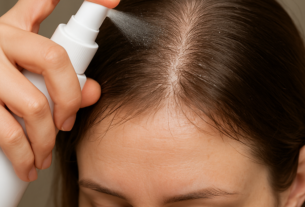

Stinging, redness, or breakouts from sunscreen can feel defeating and confusing. The issue is almost never sun protection itself. It’s the formulation.
This guide breaks down why sensitive skin behaves the way it does. You’ll also learn how to spot a truly gentle sunscreen. In the end, daily SPF will feel easy again.
Why Sensitive Skin Reacts to Sunscreen
Sensitive skin is not a skin type that is static like oily or dry. It is an impaired barrier that allows for a lower reaction threshold to ingredients, friction or heat. This knowledge will help you to make sense of most sunscreen reactions.
Understanding the Skin Barrier
The skin barrier: what is it? With safe skincare you can repair the skin barrier. Barrier skin is your body’s mechanism to protect itself from all the things out there in the world that want to harm you – it’s a daily layer of armor and takes the moisture out and the bad stuff in. Although some of the Occlusive and Emollient moisturisers ingredients sit on the surface when the skin barrier is intact. When the barrier is compromised, irritants can penetrate at a higher rate and depth. This is exactly why the reactions feel so much stronger. The real problem is almost always a compromised barrier.
Common Signs and Symptoms of a Reaction
Reactions vary widely between different people and formulas. Some appear instantly, while others take up to two days. Recognizing these signs helps you identify problem products quickly.
Common symptoms include:
- Sharp stinging immediately after application
- Visible redness across cheeks or nose
- Tight, papery feeling by mid-morning
- Small breakouts appearing a day or two later
- Itching, swelling, or scaling in some cases
Stinging Is Information, Not a Verdict
A sting means your skin is irritated by something specific in that formula. That doesn’t exclude the possibility that the sunscreen as a category just won’t work for me. So many people just silently give up on SPF after one or two bad experiences.
But that kind of conclusion is usually just too general and too unhelpful. Now, the real question, which formula is really the best for reactive skin?
Sunscreen Ingredients to Avoid if You Have Sensitive Skin
There’s no need to read every line of those labels. A small number of offenders are behind the majority of sensitive skin reactions.
Fragrance and parfum
Fragrance is one of the top causes of skin reactions.It is listed on the label as “parfum” or “fragrance” in particular. It imparts fragrance and does not interact with the formulation or influence the stability of the formulation.
That said, unscented and fragrance-free are not always equal. Some products that sell as “unscented” contain a masking fragrance to cover up the smell of their natural ingredients. The only way to know is to read the ingredient list.
Essential Oils and Scented Botanical Extracts
But “natural” is not necessarily friendly to sensitive skin. Some essential oils (lavender, citrus and peppermint to name a few) are also skin irritants. They are nearly always added for fragrance rather than function.
Drying Alcohols vs Fatty Alcohols
Alcohol confuses many shoppers, but the distinction matters greatly.
| Alcohol Type | Examples | Effect on Skin |
| Drying alcohols | Alcohol denat, ethanol, SD alcohol | Can strip lipids, increase water loss |
| Fatty alcohols | Cetearyl, cetyl, stearyl alcohol | Condition skin, support barrier |
Drying alcohols high on an ingredient list deserve caution. Fatty alcohols, however, are beneficial rather than harmful.
Oxybenzone and Other Chemical Filters
Oxybenzone (benzophenone-3) is a sensitizer. Avobenzone and octinoxate may cause allergic reactions in some individuals. They let UV rays in, but convert them to heat. This warming effect can get through the barrier and result in stinging. The use of oxybenzone is now limited by law in many areas.
Man-Made Dyes and Colourants
On ingredient lists, look for “CI” and then a number. These dyes have a strictly cosmetic function. They do not provide shielding, but they increase the risk without need.
Mineral vs Chemical Sunscreen: Which Is Better for Sensitive Skin?
This comparison is always up for discussion, and the answer is complex. Either can be good or bad, depending on the overall formula.
How Mineral Physical Sunscreens Work
Mineral sunscreens contain zinc oxide and/or titanium dioxide as active ingredients. These globules rest on the skin and bounce UV light off. They don’t go through your skin barrier like chemical filters do.
That generally opens the door for mineral products to be better accepted by sensitive skin. Some do leave a white cast, especially on darker skin tones but.
How Chemical Sunscreens Work
Chemical filters absorb UV radiation and release the energy as heat. They’re great, but the conversion of that heat can be irritating to compromised skin. Reactions can be quicker with some chemical filters.
Why the full formula matters more than worse vs better filters
Gentler is not a term that applies to mineral or chemical sunscreen in general. A good chemical sunscreen can be better than a poor quality mineral sunscreen. It is the complete ingredient list that dictates the tolerance, not just the filter type.
What to Look for in a Sunscreen for Sensitive Skin
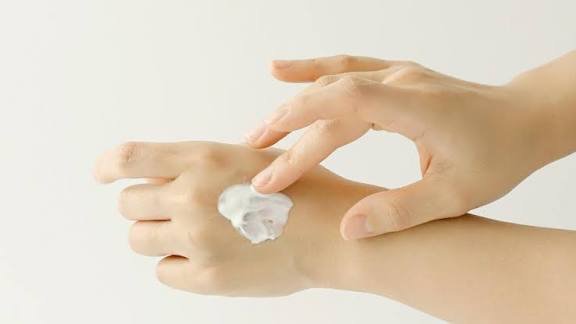
Isolate bad ingredients and you’ve only done half the work. To know what to ask for is just as important.
Fragrance Free Formulas
This single-screening process eliminates the most pervasive irritant overnight. Always scroll through the ingredients or the inci list for ‘parfum’ or ‘fragrance.’ Front-pack claims aren’t always a reliable guide.
Non-Comedogenic Protection
Are Non-comedogenic Products Tested? Because “non comedogenic” formulas are tested to make sure they do not clog your pores, they’re likely to not clog your pores. This is important because the skin is sensitive and congested on many levels! A lot of people who have reactive skin also get blemishes and break outs, so it’s pretty common.
This has been dermatologically tested
This label means the professional evaluation of safety in a controlled environment. It’s good supportive evidence, although it’s not an absolute guarantee. Always do patch tests no matter on this certification.
Broad Spectrum - UVA and UVB Protection
SPF ratings apply to protection from UVB only, but your skin also needs protecting from meridian penetrating UVA, which causes damage. UVA rays are more penetrating and they do go through glass and clouds. Seek broad spectrum labeling to verify that you have full-spectrum protection.
Barrier-Supporting and Soothing Ingredients
The best sunscreens actively support skin while protecting it. Several ingredients consistently deliver this dual benefit:
- Glycerin – draws water into the skin’s upper layers
- Ceramides – rebuild the barrier’s natural lipid structure
- Squalane – softens skin without heaviness or greasiness
- Hyaluronic acid – hydrates at multiple skin depths
- Colloidal oatmeal – soothes redness and calms irritation
A Texture You Will Actually Wear
Protection only works when you actually apply it consistently. Heavy, greasy, or tacky textures get skipped on busy mornings. A pleasant formula you enjoy wearing protects you better long-term.
Sunscreen for Specific Sensitive Skin Conditions
General tips are useful, but every situation needs different advice. What to focus on in each case.
Protegerse del sol para la Rosácea
Heat, rubbing and fragrance are the most important things to consider. Blood vessels are quickly dilated by hot showers and warm rooms. Heat exposure almost always exacerbates flushing when a person immediately puts on sunscreen.
When it comes to applying sunscreen, pat in and don’t rub. Generally, fragrance free and light weight products tend to be the most comfortable on skin with rosacea.
Sunblock For Eczemac Your Fall Out Skin
Barrier restoration is the PRIORITY for eczema skin. Seek formulations that provide humectant moisturizing benefits on top of lipid-replenishing ones. This contributes to more effective moisture retention.
Even more than usual, patch testing is important here. You may have reactions that are delayed after you begin testing.
Content of the component.googleapis for Acne-prone/sensitive skin Sunscreen for acne skin
There’s no such thing as a breakout-causing sunscreen, as a category none of them actually cause breakouts,” says Dr. Heavy formulas that clog pores are usually the culprit.Opt instead for light, oil-free and non-comedogenic products.
And you have to remove it properly or the residue will clog your pores and hold oil while you snooze. A Mild Cleansing Balm to Safely Remove Sunscreen Without Hectic Your Skin.
Sunscreen That Doesn’t Burn The Eyes
It occurs when the product moves too close to the eyes.Apply a little below the orbital bone, not straight across your lashes. Wait for the sunscreen to dry before you go outside in the sun. Fragrance free and balanced pH products have a tendency to cause less stinging around eyes.
The Role of the Skin Barrier in Sunscreen Tolerance
Skin barrier is the main reason behind the wide range of sunscreen tolerance. You can directly support it and change your sunscreen story.
Why a Weak Barrier Increases Reactions
A damaged barrier allows irritants to penetrate faster and deeper. Ingredients in products that feel fine on healthy skin can cause a stinging sensation on damaged skin. This is often the unrecognised cause of SPF reactions.
Barrier Support Before SPF Application
A barrier-supporting oil or moisturizer before SPF can make a huge difference. Jojoba oil, argan oil, and ceramides help to restore strength. Over time, a less irritated barrier will endure sunscreen much better.
How to Patch Test a New Sunscreen
Patch testing is the one thing you can do to avoid the most problems. It requires very little work but can save you a lot of pain later.
Step-by-Step Patch Test Method
Follow these steps before applying any new sunscreen to your face:
- Apply a small amount to your inner forearm or behind the ear
- Leave the area unwashed for 24 hours
- Check for redness, itching, stinging, or bumps
- If clear, apply to a small facial area next
- Only proceed to full facial use once confirmed safe
Why Reactions Can Take Days to Appear
Some reactions occur immediately after sun exposure specifically. This is called photoallergic contact dermatitis in dermatology. Repeating the patch test over two or three days catches delayed responses.
Building a Gentle Daily Routine Around Sunscreen
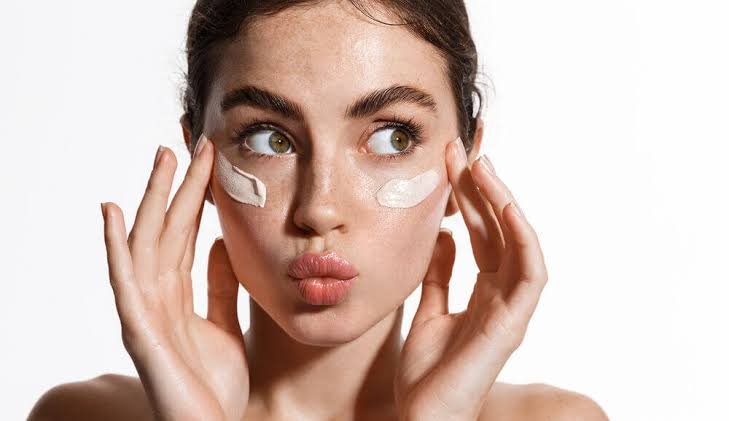
A simple, consistent routine protects reactive skin most effectively. Fewer steps mean fewer opportunities for irritation.
Cleanse, Hydrate, Moisturise, Protect
This order matters for both comfort and sunscreen performance.
| Step | Purpose |
| Cleanse | Removes oil without stripping the barrier |
| Hydrate | Prepares skin with a lightweight serum |
| Moisturise | Locks in hydration before sun protection |
| Protect | Applied last, over settled moisturiser |
Moisturiser always goes before sunscreen, never after it. Applying it afterward disrupts the even film sunscreen needs.
How much sunscreen is enough?
Most people aren’t putting on enough sunscreen to get the full benefit, or the amount used to test formulas. You will need to use about ¾ of a teaspoon onto your face and neck. For best results, apply 15 minutes prior to sun exposure.
How to Take Off Your Sunscreen at Night etc.
Sunscreen is formulated to be water resistant and is hard to wash off with a normal cleansing. An balm or oil-based cleanser melts it off without having to scrub. Residue left over in the night can lead to congestion and breakouts.
When You Should See a Dermatologist
Proper care Most are ok. But some things are out of the realm of do-it-yourself first aid.
Mild to severe reactions
Dosage The commonly accepted mildness of after sun products helps to ease many mild complaints. A topical or oral steroid might be necessary with moderate to severe symptoms. No improvement or worsening symptoms should prompt a visit to a dermatologist.Avoid sun exposure until the inflammation has resolved. Sometimes this can be a slow process.
Conclusion
Sensitive skin and sunscreen are not inherently at odds (although they always have been a little bit there for me).Most reactions can be attributed to specific irritants rather than the sun protection some of us need in winter and summer.The main culprits are fragrance, drying alcohols and some chemical filters.
Learning to read an ingredients list is the key going forward. Indications of a good product are fragrance-free, barrier-supportive, non-comedogenic formulations. Patch test everything new you use, especially if you have reacted before.
Fortifying your skin barrier also makes sunscreen tolerance a lot easier to achieve. A friendlier, fortified barrier is capable of much more than a damaged one. And with the right formulation and regimen, daily SPF gets easy once again.
Frequently Asked Questions About Sunscreen for Sensitive Skin
Is mineral sunscreen always better for sensitive skin?
Not always. Mineral formulas are often better tolerated, but a well-formulated chemical sunscreen can work equally well.
Why does my sunscreen sting my eyes?
This usually happens from applying too close to the lash line. Keep the product below the orbital bone and let it settle before going outside.
Can sunscreen cause breakouts?
Sunscreen itself rarely causes breakouts. Heavy, occlusive formulas or improper removal are the more likely culprits.
How long should I patch test a new sunscreen?
Test for at least 24 hours, though repeating for two to three days catches delayed reactions.
What ingredients should sensitive skin avoid in sunscreen?
Avoid fragrance, essential oils, high levels of drying alcohol, and oxybenzone where possible.