Rice flour has long been a centuries old staple in Homemade skincare, particularly in Asia where it’s recognized for its mild texture and gentle exfoliation. It’s just rice that’s been pulverized into a fine powder, and as plain as that sounds, there are more than a few perks associated with putting the stuff on your face. It’s affordable and readily available, and in the right hands, it can be effective for multiple skin types.
This is everything you need to know from A – Z why a rice flour mask or pack is good for skin, what benefits you can expect, how to use it, DIY recipes you can try at home, and what precautions you should take.
Why Rice Flour Is Good for Skin
Rice flour has a few natural properties that make it useful in skincare:
- Gentle Exfoliation Your skin is gently exfoliated by the fine, slightly grainy texture that does not scratch or irritate the skin.
- Oil absorption It absorbs the oil residing on the surface so that it is effective for oily and combination skin.
- Brightening effect With Regular use can help fade uneven skin tone and prevent dull, tired skin.
- Soothing It is usually very mild and soothing and can be used for minor redness or skin irritation.
- Clears them out It may remove dirt and grime resting on top of your skin.
- Antioxidant value Rice has substances that guard skin cells against daily environmental stress.
Because of this mix of properties, rice flour is considered a fairly all-purpose ingredient rather than something suited to just one skin concern.
Key Benefits of Rice Flour for Face
1. Brighter, more even-looking skin
Regular gentle exfoliation removes the buildup of dead skin and grime that makes skin look flat or dull. Over time, this can leave the complexion looking fresher and more even.
2. Controls oiliness
Rice flour absorbs excess sebum, which helps reduce that greasy shine that builds up through the day, particularly useful for people with oily or acne-prone skin.
3. Calms red, inflamed skin
It’s inherently soothing, which likely contributes to its ability to reduce minor redness and sensitivity, and is therefore milder than a number of chemical exfoliants.
4. Minimizes the Pore Size Appearance
Riced flour helps bring make pores less visible over time by removing dirt and oil trapped inside.
5. Promotes softer texture
Regular application softens rough skin, making it feel smoother when you touch it.
6. Could contribute to postponing early lines of aging
Rice contains anti-oxidants which may protect skin against oxidative damage, a factor associated with early onset of skin aging.
Common Uses of Rice Flour for Face
Rice flour isn’t limited to a single use. It’s commonly used as:
- A gentle face scrub or exfoliant
- A base for hydrating or brightening face masks
- A natural substitute for talc-based powders
- An ingredient in homemade cleansers
- A soothing pack for sunburned or irritated skin
DIY Rice Flour Recipes for Face
Here are a few simple combinations you can try at home. Always patch-test on your inner arm first and wait 24 hours to check for any reaction.
Basic Brightening Mask
Mix rice flour with plain yogurt or milk to form a smooth paste. Apply to clean skin, leave on for 15–20 minutes, then rinse with lukewarm water.
Oil-Control Pack (for oily skin)
Combine rice flour with a small amount of rose water to make a paste. This helps soak up excess oil while keeping the mixture light.
Soothing Honey Mask (for dry or sensitive skin)
Mix rice flour with a little raw honey and a few drops of water. Honey adds moisture, balancing out rice flour’s oil-absorbing nature.
Gentle Scrub
Mix rice flour with a small amount of coconut or olive oil and gently massage onto damp skin in circular motions for 1–2 minutes before rinsing off.
Turmeric Glow Pack
Add a pinch of turmeric to rice flour and mix with milk or water. This combination is often used for its brightening and calming effect, though turmeric can temporarily stain lighter skin tones.
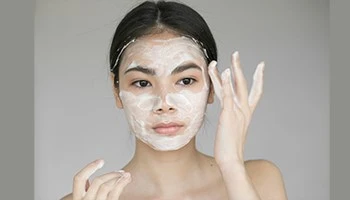
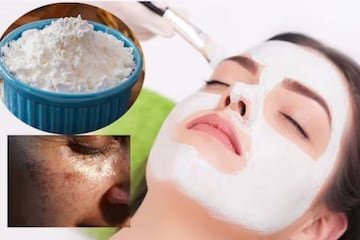
How to Apply a Rice Flour Face Pack
- Start with a clean, makeup-free face.
- Mix the rice flour with your chosen liquid ingredient until it forms a smooth, spreadable paste not too runny, not too thick.
- Apply evenly across the face, avoiding the eye area.
- Leave it on for 15–20 minutes, or until it starts to feel slightly dry.
- Rinse off with lukewarm water using gentle circular motions if you want a mild scrub effect.
- Pat the skin dry and follow up with a moisturizer.
How Often to Use Rice Flour on Face
For most skin types, it is recommended to apply a rice flour face pack 2 or 3 times a week to attain positive results without harming your skin with excessive exfoliation. Meanwhile, persons with sensitive skin should limit the application to once or twice a week. It is not advisable to use the mask every day because it may irritate the skin.
Possible Side Effects of Rice Flour on Skin
While rice flour is generally gentle, it isn’t completely risk-free for everyone:
- Some people may experience mild dryness, especially with frequent use.
- Those with a sensitivity or allergy to rice may notice redness, itching, or irritation.
- Overly vigorous scrubbing can cause micro-tears or irritation on sensitive skin.
- Combining it with irritating ingredients (like undiluted lemon juice) can sometimes cause more harm than good.
A patch test before full use is always a good idea, especially if you have reactive or sensitive skin.
Who Should Avoid Rice Flour Face Packs
- People with a known rice allergy
- Those with active eczema, broken skin, or open wounds on the face
- Anyone currently using strong exfoliating treatments (like retinoids or chemical peels), since combining exfoliants can over-strip the skin
If you have a chronic skin condition, it’s a good idea to check with a dermatologist before adding any new ingredient to your routine.
Tips for Best Results
- Always make your mask in a clean bowl with fresh ingredients.
- Do not apply a mask around your eyes or mouth.
- Do not leave the mask until it’s completely dry and tightened; it can dehydrate your skin.
- Specially moisturize your skin after each mask use.
- Store leftover paste in the refrigerator for no more than 24 hours, and do not use it if you feel an unpleasant odor in it.
Conclusion
Rice flour is a simple, inexpensive, and generally non-irritating material which has excellent effects of promoting the beauty of the skin when used constantly and properly. Any skin type can try to deal with oily skin, restore the glow, or simply enjoy the natural look when using this product, but it is vital to make a patch test before the full-scale introduction.
Frequently Asked Questions
Is rice flour suitable for all skin types?
It’s skin friendly for the majority of skin types but I do feel very dry and sensitive skin types should use it a little less often & use it in combination with some hydrating ingredients.
Can rice flour brighten skin?
You won’t be able to change the colour of your skin naturally, but if you use it consistently, your skin will look brighter and more even.”.
Can rice flour be used everyday?
It’s best to apply it 2–3 times a week rather than everyday to prevent skin being over exfoliated.
Is the homemade rice flour as good as the one you buy?
Yes, if it is ground fine and without any additives, homemade rice flour is just as effective in your DIY skincare.