Vitamin C is among the recommended skincare products for glowing skin. It’s packed with chemical protectors and may help fade dark spots, dull, mature skin, wrinkles, and skin tone violations. The best work to make your skin appear clearer and brighter, combat dark spots, ward off signs of aging and even protect your skin from damage induced by the sun, or other environmental stressors. In this Vitamin C serum guide you will find out about the top Vitamin C serum benefits, how to apply Vitamin C serum, and a couple of tips on what to look for in a Vitamin C serum when you are choosing one for use in your skin care routine.
What Is Vitamin C Serum?
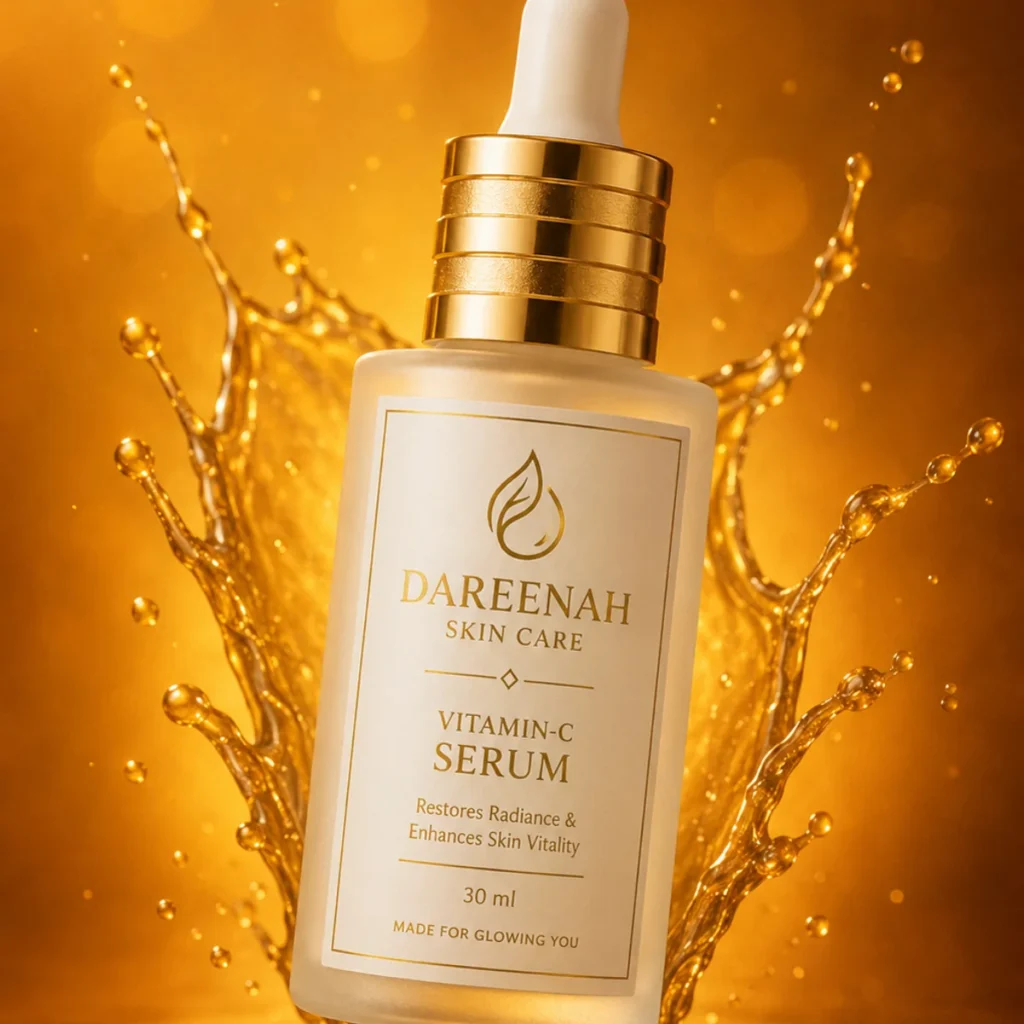
A vitamin C serum is a type of skin care product that contains a high concentration of ascorbic acid, or vitamin C. Active ingredients in serums are designed to absorb quickly into the skin to directly deliver them to the target area, whereas creams cover the skin and provide hydration. When applied topically, vitamin C is much more direct in its action than the vitamin C you eat, and can provide visible brightening and antiaging effects over time.
Benefits of Vitamin C Serum
Vitamin C serum is a common item in many people’s skincare regimes due to its multiple advantages for brighter, smoother and overall healthier skin. It is high in antioxidants that protect the skin from environmental harm, and the brightening and collagen-stimulating effects may lead to improved skin overall. To work, a Vitamin C serum needs to be applied regularly and consistently, and Vitamin C serum can be a nice addition to any daily skincare regimen.
Key benefits at a glance:
- Protects skin from sun and pollution damage
- Brightens dull, tired looking skin
- Boosts collagen for firmer skin
- Fades dark spots and hyperpigmentation
- Improves overall skin texture
- Strengthens sunscreen protection
How to Apply Vitamin C Serum
The effect of vitamin C serum is largely dependent on how you apply it, and the process is quite simple.
- Cleanse your face and pat it dry before applying anything.
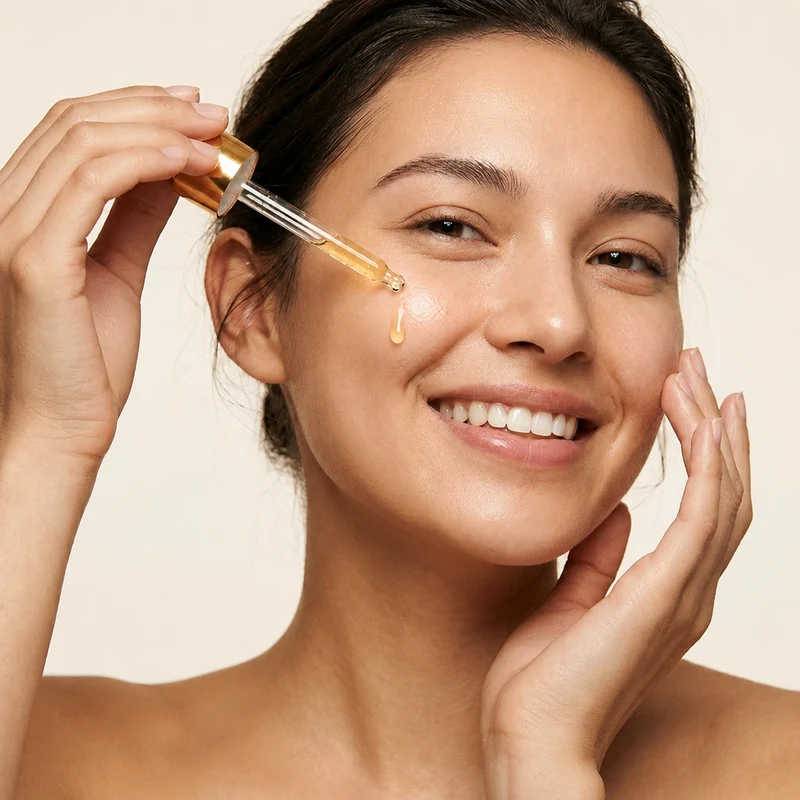
- Use a small amount, roughly three to five drops.
- Massage it gently into your face and neck using upward motions.
- Wait a minute or two before layering the next product.
- Follow with a moisturizer to lock in hydration.
- Finish with sunscreen every morning for full protection.
If this is your first time using vitamin C, ease into it slowly. Apply it every other day for the first couple of weeks before moving on to daily use, giving your skin time to adjust comfortably.
Types of Vitamin C in Serums
There are many kinds of vitamin C serums that offer a range of different advantages to the skin. Types of vitamin c There are L Ascorbic Acid, Sodium Ascorbyl Phosphate and Magnesium Ascorbyl Phosphate which are the most common types of vitamin C but differ in potency, stability and how they treat the skin.
1.L Ascorbic Acid (LAA)
This is the most active form of vitamin C and, for this reason, your skin receives it directly without needing to convert it. It provides the most powerful brightening and antiaging results, supported by the most clinical research of all vitamin c types.
Key features:
- Fast-acting with proven results
- Light and air sensitive, require opaque container
- Irritating skin especially sensitive skin if used in large amounts.
2.Sodium Ascorbyl Phosphate (SAP)
Sodium Ascorbyl Phosphate (SAP) From the chemical name, it is clear that it contains sodium which makes ascorbic acid more suitable for skin application.Think of this gentle, water-induced version as a softer alternative to the powerful pure ascorbic acid.Your skin slowly transforms it into genuine vitamin C, and is especially beneficial for oil and acne-prone skin as it has natural antibacterial properties.
Key features:
- Mild and non irritating
- Soothes acne prone skin
- Transformations take a little longer, so results are cumulative
3.Magnesium Ascorbyl Phosphate (MAP)
This derivative is made through a similar mild process. Water soluble, hydrating and one of the mildest on the mThis derivative is made through a similar mild process. Water soluble, hydrating and one of the mildest on the market, suitable for those with sensitive skin or reactive skin and best used as a first step in any active shelf market, suitable for those with sensitive skin or reactive skin and best used as a first step in any active shelf.
Key features:
- Very gentle and hydrating
- Best for first time users of vitamin C products
- Not as potent as straight ascorbic acid
4.Ascorbyl Tetraisopalmitate (VC-IP)
This oil soluble derivative is known for its exceptional stability. It is compatible with oil based formulations and enables active skin penetration. Suitable for dry and sensitive skin types. It is well known for its good compatibility with oils and enables active penetration into the skin, and is also suitable for dry and sensitive skin in need of a nourishing, non irritating treatment.
Key features:
- Long shelf life and easy to formulate
- Penetrates skin effectively
- Suits dry and sensitive skin
5.Ascorbyl Palmitate (AA PAL)
This version is vitamin C attached to a sugar molecule, making it very stable and mild. It’s suitable for younger, reactive skin and in my opinion, it is best used as a protective measure for early aging.
Key features:
- Safe for the delicate eye area
- Stable and long-lasting
- Shows positive effects on pigmentation
7.Ascorbyl Glucoside (AA-2G)
This is a version of vitamin C that is attached to a sugar molecule and it is very stable and gentle. Perfect for young or sensitive skin, it’s best used as a preventative measure against premature aging.
Key features:
- Water-soluble and highly stable
- Gentle enough for young, sensitive skin
- Best used as a preventive treatment

How to Select the Best Vitamin C Serum for Your Skin
The best vitamin C serum for you will depend on your skin. Skin that is oily or tough tends to tolerate L ascorbic acid quite well, and in a concentration of 15–20% is most ideal. Sensitive or oily/acne prone skin has better response to milder derivatives such as SAP and MAP, which can be used without irritation or stinging. Since dry skin best absorbs oil-based versions like VC IP or Ascorbyl Palmitate, these forms mix naturally with the skin’s own lipid barrier.
Beginners should start at a lower strength of approximately 5-10% and work their way up.A stronger concentration doesn’t necessarily mean better results, the effectiveness plateaus at 20%, but the risk of irritation continues to get higher. Must-Have Accessories to Think About When Buying a Vitamin C Serum.
What are the Best Things to Know Before Purchasing Vitamin C Serum?
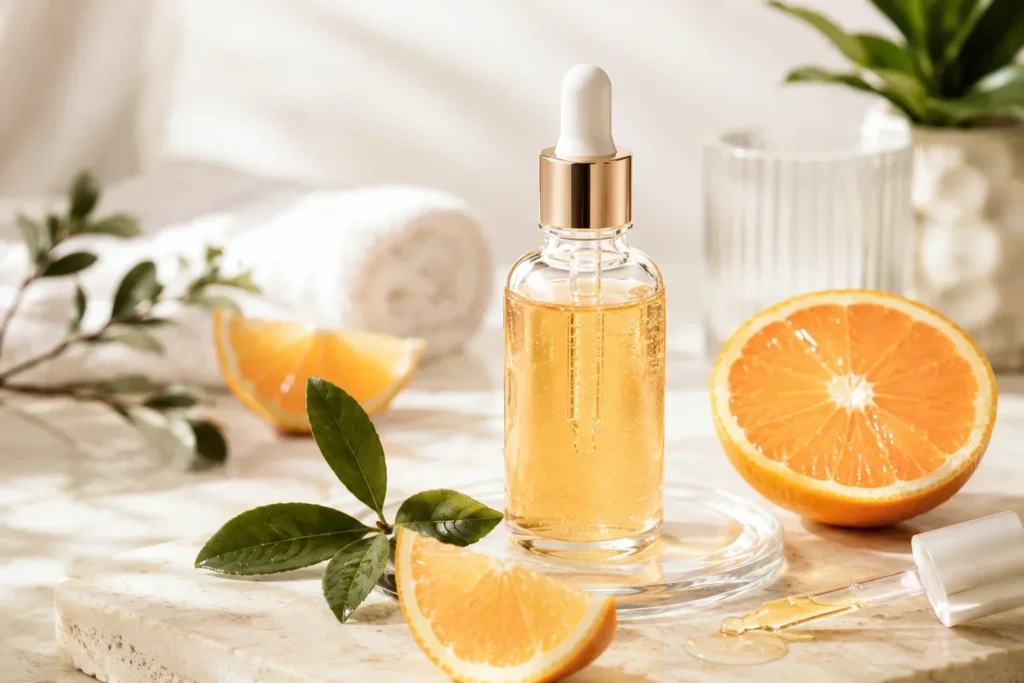
Reviews After using it for a while on a patch of skin on my face, I can say that in practical terms this is what a vitamin C serum is supposed to look like and that dated and stored away properly Vitamin C serums can degrade like this, this is true for this one too. What to look for: Opaque or amber bottles that protect from light and air.
Key features to check before buying:
- Added vitamin E and ferulic acid for extra stability
- Clear or pale yellow color, showing the product is fresh
- Concentration between 10–20% for balanced results
- Water-texture for oily skin, Oil-texture for dry skin. The Color of Your Serum Check the colour of your serum prior to its use.
When it begins to change to dark yellow or brown, it means it is oxidized and your effectiveness is lost.
When to Apply: Morning or Night?
Apply in the morning with sunscreen for a natural complement that provides your skin with additional protection from pollution and UV radiation during the day. At night, your skin is free to concentrate on healing while you rest, with no sun exposure to worry about, so application at night can be particularly advantageous for that reason.
If you’re going for a higher concentration of L-ascorbic acid (the most easily absorbable form of vitamin C), plenty of skincare professionals suggest that you use it at night due to the very slight risk of increased sun sensitivity. But what really matters is consistency. The time of day that you best fit your daily routine will give you the best results for you.
Potential adverse effects and tips on how to prevent them
Vitamin C is safe for the majority of skin types, but as with any ingredient, you could potentially experience a mild reaction, especially at higher strengths.Side effects are but are not limited to:
Common side effects include:
- Slight redness after application
- Mild tingling or itching
- Temporary dryness
- Rare breakouts on very oily skin
These responses are generally simple to prevent from occurring. Apply a new serum to a small patch of skin, begin with a lower concentration, and go up gradually in use. If your skin doesn’t like even mild derivatives, it’s worth consulting a dermatologist before continuing use.
Simple Habits That Help Vitamin C Work Better
A few small changes and you’ll be able to tell the difference in what your vitamin C serum can do for you over time. Store in a cool, dark place, and out of direct sunlight to extend its shelf life.
It is better to use sunscreen in the morning, which will make it more protectant, but avoid using it at the same time with strong exfoliating acids or retinoids in your regimen to not overdo it.
Plus, easing into new products rather than dumping your entire routine all at once lets your skin adjust at a nice pace. As always, check the colour of your serum before each use, a product that has oxidised will not offer the same benefits.
Final Thoughts
A good vitamin c serum will have a noticeable impact on your skin. Brightens dull skin, lightens dark spot/hyperpigmentation and smoothes fine lines and uneven tone with continuous use.The secret is in selecting the right vitamin C for your skin, having realistic expectations when you buy, and then using it regularly in your routine.You need to give the results a chance to show up, so hold off on deciding if a serum is effective for a couple of weeks. Be patient, hold tight, and your healthy, glowing complexion will be here soon.
Frequently Asked Questions
Is vitamin C serum good for all skin types?
Yes, but the shape of it matters.Okay, but you need the right form for it to work on Sensitive skin tends to have better.towards the mild un original of vitamin C SAP and MAP rather than normal and oily skin can usually use the the straight form, L ascorbic acid.
How long until I see results?
The majority of users that I trust that have tried it saw brighter, more glowing skin in 2-4 weeks. Pigmentation and fine lines are more complex issues and tend to take longer, usually 8 to 12 weeks.
Can vitamin C serum be used every single day?
Yes, once your skin adapts. DailyUse is safe and very often advised for prolonged antioxidant protection.
Can you use vitamin c instead of sunscreen serum?
Vitamin C is not a sunscreen and does not absorb signs of the sun. It fortifies your skin’s natural defense mechanisms, for instance, but alone, it doesn’t block the sun’s UV rays. As great as your serum is, suncare is an essential non-negotiable day in, day out. .