
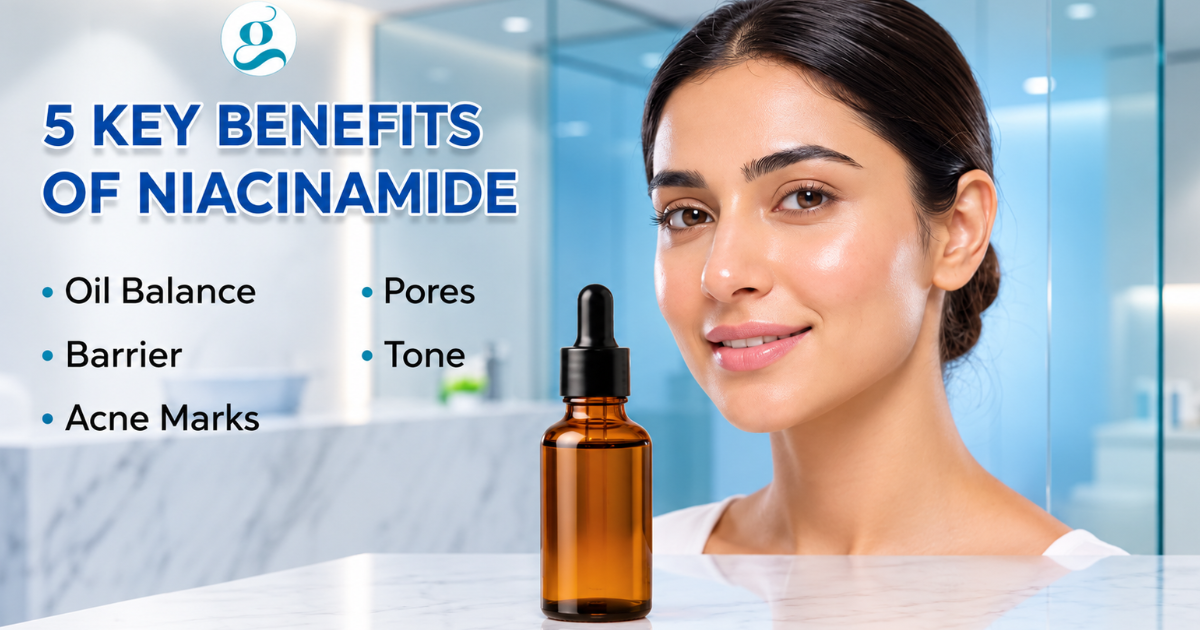
Acne prone skin can be frustrating,especially when that oily, red, and bumpy complexion is your usual experience. Curious about the benefits of niacinamide for your acne?A few ingredients can help calm skin prone to breakouts as vitamin B3 does. Niacinamide is indeed one of the most common acne fighting ingredients used in skincare routines.
This form of vitamin B3 soothes skin related concerns that arise on skin that is commonly can go through with clients dealing with acne prone skin. It helps support the skin barrier, balances excess oil, and soothes the appearance of redness. Even darker marks that are commonly left behind by a breakout may also benefit from niacinamide.
It is important that hyaluronic acid is not a magic bullet for acne relief.Here are the benefits of niacinamide, how to use it, and what results to expect.
Is Niacinamide Good for Acne Prone Skin?
Niacinamide is a useful ingredient for people dealing with oily, irritated, or acne-prone skin. It works by supporting normal skin functions rather than aggressively stripping away oil.
Here are four ways it can help:
Controls Excess Oil Production
Overproduction of sebum can also be a contributing factor to clogged pores and breakouts. Research suggests that controlling excess sebum with topical niacinamide may help reduce sebum production in people with oily skin.This may help reduce excess shine and promote a more balanced complexion. However, it doesn’t stop oil production completely because your skin needs some natural oil.
Reduces Redness and Inflammation
The resulting pimples are often red, swollen and painful. Niacinamide has anti inflammatory properties that may help reduce the obvious red which will calm any visible irritation. This makes it a useful ingredient for skin that often breaks out.
Strengthens the Skin Barrier
Keep your barrier safe. It prevents inflammation from the outside and the moisture from escaping. This key shield may be prematurely impaired through harsh cleansers and an abrasive exfoliation routine Niacinamide can enhance ceramide production which maintains the skin barrier. The less a barrier is irritated, the more your skin is able to be vulnerable to other products.
Helps Fade Post Acne Dark Marks
Acne may leave dark spots after the pimples have vanished. These marks are called post inflammatory hyperpigmentation.
This ingredient could help place them on the process of fading as it prevents or slows pigment from transferring to the cells of surrounding skin. These dark marks may gradually disappear with regular use of products containing niacinamide.
Note: For severe and deep scars, it may need other solutions.
Does Niacinamide Help With Acne Scars?
Improving acne scars with niacinamide may reduce dark marks left by acne, but you can not truly recover from indents or depressed scars.
Here are the differences and keywords:
Acne after effect marks: Brown or red spots that remain after a breakout.
Inducted Scars: Small depressions or uneven areas on skin as a result of deeper tissue injury.
This acts to correct diffuse heterogeneity in the epidermis, but deeper scars may necessitate procedures such as professional, or prescription treatments. This surface-range effect is amplified if you get exposure to the sun, as it can highlight away dark marks.
How to Use Niacinamide for Acne
The process of incorporating niacinamide into your skincare routine can be straightforward; it is present in forms like serums, moisturizers, and other cosmetics.
A simple routine might fit into your daily life by just taking the few steps listed below.
- Cleanse your face with a gentle cleanser.
- Apply a niacinamide serum to clean skin as directed on the product label.
- End by moisturizing with a suitable moisturizer of your choice.
- In your morning routine apply,a broad spectrum sunscreen with SPF 30 or higher
Include this ingredient little by little if you are new to this.
What Percentage of Niacinamide Should You Use?
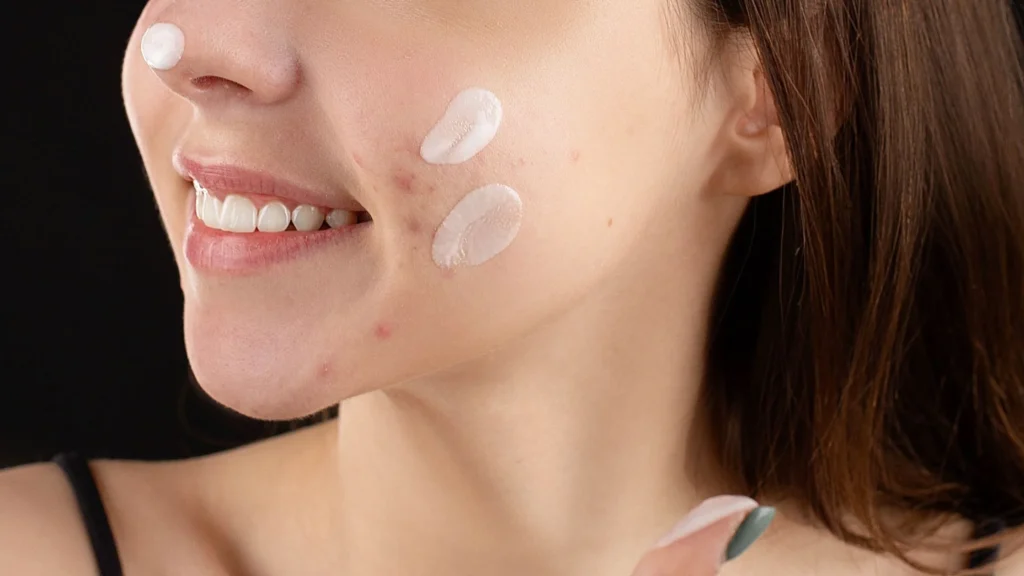
Niacinamide products are commonly available in various concentrations ranging from 2% to 10%.
- 2-5%: This is a widely recommended starting range for a lot of people, including people with sensitive skin.
- 10%: Stronger concentration that some people have adapted to, but not everyone would benefit from it.
Nonetheless, the high potentials for skewing at highly irritating, red or uncomfortable higher concentrations in some users. You should choose to start with a lower concentration especially if it responds to sensitive skin.
Can You Use Niacinamide With Other Acne Ingredients?
Yes, niacinamide can work alongside several popular skincare ingredients. The key is to avoid overwhelming your skin with too many active products.
Niacinamide and Salicylic Acid
Salicylic acid helps unclog pores by removing dead skin cells and excess buildup. Niacinamide supports the skin barrier and helps manage oiliness.
Together, they can complement an acne-prone skincare routine. However, introduce them gradually to reduce the risk of dryness or irritation.
Niacinamide and Retinol
Retinol enhances skin cell turnover and can help boost clogged pores and certain forms of acne. Niacinamide is believed to aid the skin barrier and help skin become more tolerant of retinol routine.
They can be used together in the same routine if your skin can handle them. It is wiser to introduce one of them at first, instead of using both initially to new users.
Can Niacinamide Cause Breakouts or Purging?
However, one must bear in mind that like most things, Niacinamide is not for everyone even though it is generally well tolerated. There are people who develop redness, itching, burning, or warts upon applying a particular product. These reactions could possibly be associated with the concentration, formulation, or some other ingredient in the product.
Does niacinamide cause purging?
Humans often mistake niacinamide for a purging ingredient. In reality, it isn’t a purging ingredient at all, as it does not substantially increase cell turnover. When breakouts occur with the introduction of a particular product it can be more indicative of irritation or an allergic reaction as opposed to purging.
If you keep on getting ongoing irritation with a product, quit using it. Consider patch testing before trying another formula.
Frequently Asked Questions
How long does niacinamide take to work for acne?
Results will vary on both your skin and product. Some may have lower oil production in a few weeks, others say it takes longer with dark marks. Some people think there hasn’t been a change in a few weeks.
Can I use niacinamide daily?
It is widely believed that virtually everyone may use niacinamide on a daily basis, you may use it the first time just once a day and build up usage as your skin and the product allow.
How Beneficial is Niacinamide for Hormonal Acne?
Niacinamide may help to diminish the oiliness and inflammation that are associated with hormonal breakouts. Nevertheless, it is not a solution to the underlying hormone imbalance.
Will 10% Niacinamide Work on My Acne-Prone Skin?
It can work for some people, but it just might not be more effective if the concentration is higher. We recommend you try 2–5% if you have vulnerable or easily irritated skin.
Final Thoughts
Is Niacinamide good for your Acne? It might be useful in a routine, especially if you find yourself greasier, more inflamed, and breakouts in the form of dark spots.
As with all active products, having the right pivotal concentration is key to its success in your routine combined with consistency, to see the benefits at their highest as it may take some time. You may consult a dermatologist for more severe or stubborn acne.