Papaya face wash gets talked about a lot these days as a natural fix for acne and tired skin. But honestly, most articles never go past the surface. You’ll see the same lines “it brightens skin,” “it fights breakouts” without anyone bothering to explain why that’s actually true. This guide tries to go a bit further than that.
It gets into the actual science behind papaya in skincare, who it suits, how long it takes before you see anything, and where it just doesn’t cut it.Use it the right way and papaya face wash can genuinely help with acne, clearer skin, and a bit of natural glow.
Primarily it is about exfoliation it allows the skin to shed cells a bit more smoothly than it would normally do by itself. If your concerns are light to moderate acne or skin that’s lacking radiance, then you will reap the benefits of this most by using it consistently instead of treating it as a one-time solution.
Why Papaya Is Used in Skincare
Papaya is not just a fleeting k-beauty trend, and it wasn’t included in this cream for the marketing either. The reason it actually works comes down to one enzyme: papain.
Papain, the protease present in raw papaya. Essentially, what it does is breaks down keratin, the protein which holds dead skin cells together on the surface. Once that bond loosens, dull, flaky cells lift off a lot more easily when you wash your face.
There’s more going on with papaya than just the enzyme, though. A few other things worth knowing:
- Vitamin A: promotes cell turnover and visually plumps the appearance of dullness.
- Vitamin C: defends the skin against daily stress and lightens skin tone.
- Vitamin E: The skin softening properties of Vitamin E provide additional antioxidant protection when used in Connection with Vitamin C.
- Natural fruit acids: mild AHAs, really help soften the outer layer of skin a bit further.
-The difference now is that we know a little more about why it works, and that’s likely the reason it’s still used in today’s formulas as well.
What are these ingredients that make papaya a secret ingredient in skincare for years in traditional skincare and still making an appearance in today’s oc facial wash?
Key Ingredients Typically Found in Papaya Face Wash
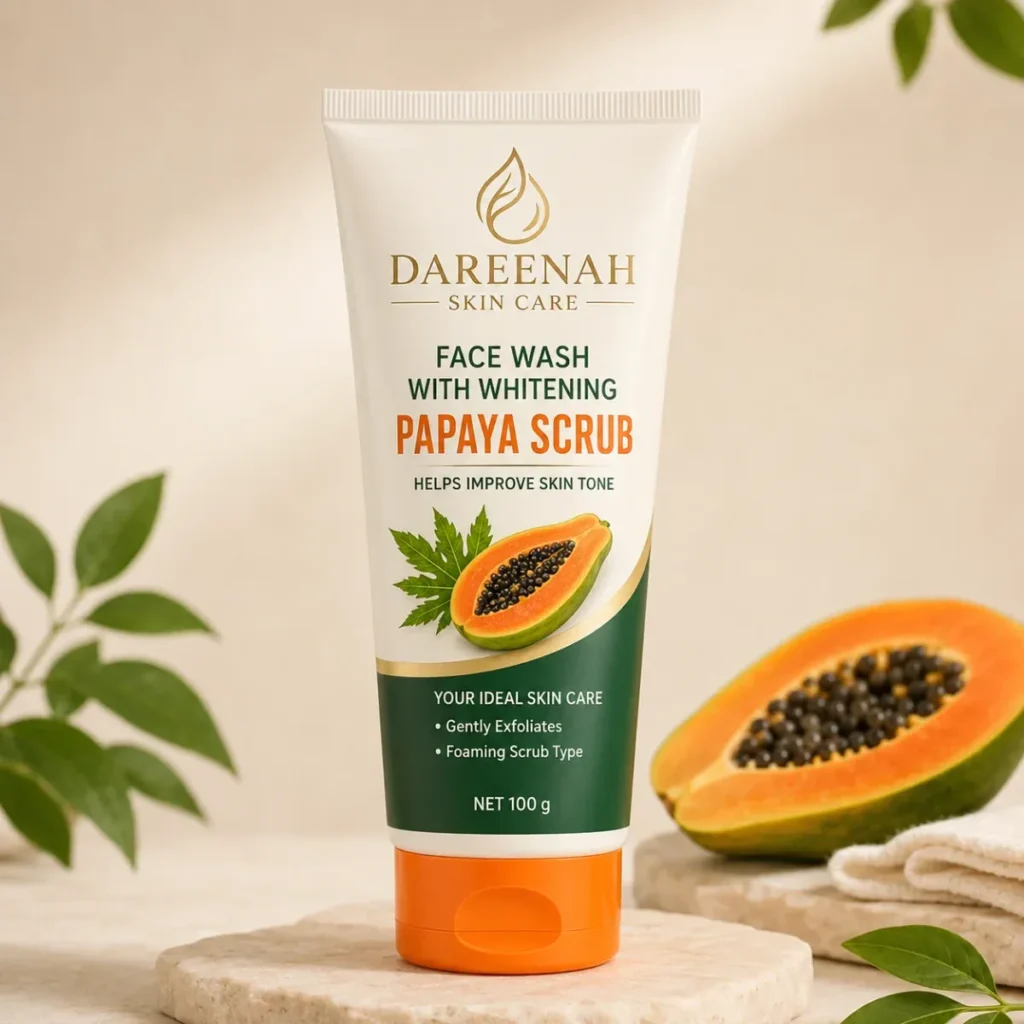
Papaya extract almost never shows up alone in a formula. Most decent face washes pair it with other ingredients to balance the exfoliation with some actual hydration, because papaya by itself isn’t enough. Knowing what those extras are helps you tell whether a product’s actually good for your skin — or just riding on the word “papaya” printed on the bottle.
Papain Enzyme
This is the main active ingredient. The intensity of the exfoliation is determined by the concentration lower levels are suitable for daily use, higher ones should be reserved for infrequent, more intensive treatments.
Glycerin or Hydrating Agents
Exfoliation alone dries out skin rather fast. Glycerin offsets this effect by pulling water into the skin, so the face wash isn’t making you feel tight or stripped after use.
Mild Surfactants
The cleansing base has to be just right, not unlike the active ingredient that receives the most spotlight on the label.Mild, non sulfate surface active agent gently cleanses the oil and dirt without destroying the skin barrier which is especially important if you’re over exfoliating.
Antioxidant Support (Vitamin C or E)
Some formulations further enhance the antioxidant benefit natural to papaya with vitamin C or E to help make skin appear more even over time.
Soothing Agents (Aloe Vera or similar)
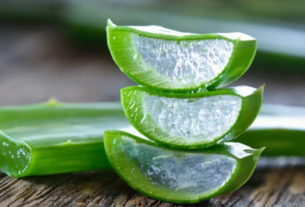
To counteract any slight irritation caused by enzymatic exfoliation, some formulas contain soothing ingredients like aloe vera, which can help minimize redness and enhance barrier comfort.
A face wash that gets these two factors right is going to give real results with less risk of irritation, compared with one that simply uses papaya as a marketing plate.”
Benefits of Papaya Face Wash for Acne
Papaya face wash supports acne-prone skin in several connected ways.
- Prevents clogged pores: Dead skin accumulation is one of the biggest offenders in clogging pores in the first place, so clearing it out of the way tackles a source of breakouts, rather than just a sign.
- Reduces oil and debris accumulation.: Bacteria that cause acne feed on trapped oil and dead skin and exfoliate regularly but gently keep that in check.
- Improves skin surface texture: Less clogged pores usually translates to softer, less bumpy skin as time goes by is nothing too dramatic but is really noticeable.
- Supports better product absorption:When the pores aren’t as clogged, products like serums or spot treatments are able to get through and work instead of just sitting on top of the gunked up pores.
People with mild to moderate acne need to be consistent and it can help them have less clogged pores and smoother skin. That being said, papaya face wash is to be used as a cleansing helper to help in blemish management and not as an all-round acne solution. Usually it is anything but – patients with severe or cystic acne typically require a bespoke, potentially complex treatment plan from their dermatologist, with a cleansing product such as a face wash used to support the treatment, rather than provide the definitive answer.
How Papaya Face Wash Improves Glow
Why do dull skin folds look like they are dead? Such a layer scatters light rather than reflecting it uniformly and for this reason skin can look flat, tired or dull even when it’s otherwise normal. Papaya face wash brightens by removing this layer of dead cells to reveal the new, thicker skin underneath. It’s not a chemical brightening effect. It is a phenomenal textural enhancement.
With consistent cleansing, products that contain papaya can help.Make your skin look a little.With consistent cleansing products like this can help.Make your skin look a little.
Papaya-based formulas can help make your skin look a little:
- Smoother to the touch
- More even in tone
- Naturally more reflective of light
We just have to have realistic expectations. This radiant effect of the papaya face wash is the result of improvement in the skin’s texture and the removal of layers at a pace, rather than any external traumas to the skin such as harsh lightening or the like.Any and all who are picturing an overnight miracle transformation are in for a rude awakening; anyone visualizing gradual, cumulative.
Role of Papaya Face Wash in Clear Skin
Clear skin doesn’t necessarily mean the absence of breakouts. It’s stuff like this,
- Oil production that is under control
- Pores are clean, not clogged
- A good healthy skin barrier is crucial
Who should Use Papaya Face Wash
Papaya face wash is a good choice for:
Oily and combination skin: Mild exfoliation can aid in managing surface oil and break outs.
Dull, tired-looking skin: That layer of dead cells flattening your skin in the first place?It lifts it.
Occasional breakouts: when gentle prevention is more important than harsh treatment.
Anyone wanting daily mild exfoliation: I like to gently exfoliate every day – but without dealing with any harsh chemical acids or really potent AHAs/BHAs.
Who Should Be Cautious
If your skin is very sensitive, or you have a compromised skin barrier, you might want to be a little more cautious here.That includes anyone dealing with:
- Active eczema or rosacea flare-ups
- A thin or broken skin barrier
- If you’ve been sensitive to products with enzymes or acids in your history.
A milder product and less frequent application (every now and then a couple of times a week, not every single day) could be the way to go if you’ve got sensitive skin. Although natural enzymes could cause irritation if overused, “natural” doesn’t mean “appropriate for all skin types to apply in any volume.”
Expecting dramatic results from a cleanser alone:
A face wash is an accessory in a routine.But it is no replacement for personally tailored treatments, moisturisers or sun screen.
Overusing the product:
Overusing papaya face wash or using it alongside other exfoliating products like scrubs, AHAs or BHAs can harm the skin barrier.This typically results in increased sensitivity, redness or breakouts and not clearer skin.
Skipping moisturizer afterward:
Exfoliating cleansers make our skin a little more exposed than usual. Finish with a moisturizer that acts as a blocking to help the barrier suitably recover and seal in hydration.
Ignoring sun protection:
After skin has been exfoliated, whether chemically or physically, it tends to be more sun sensitive. Stop applying the sunscreen and you might as well be un doing the brightening, glow effects the face wash is supposed to give you.
Combining too many actives at once:
Exfoliated skin is more prone to sun sensitivity. Take off your sunscreen, and you’re basically undoing a bunch of the brightening and glow effect that the face wash is designed to deliver.
How Long Does It Take to See Results
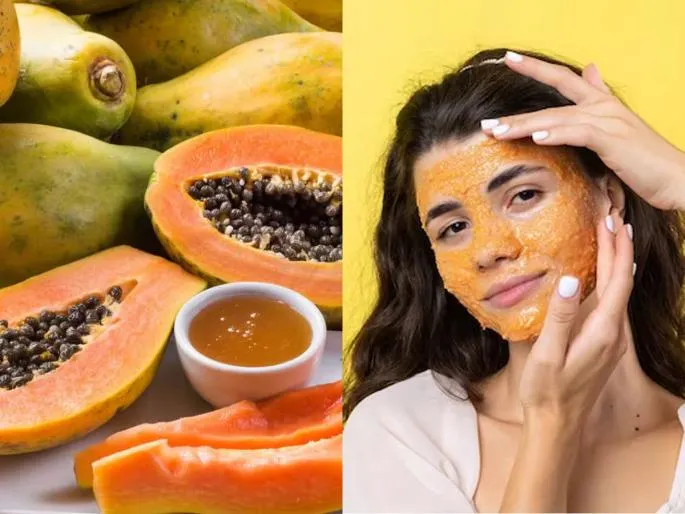
Note The results here build up slowly, because the papaya face wash exfoliates gently and progressively, unlike a single strenuous treatment that does the work all at once.
A typical timeline, Hold on tight!
1-2 weeks: As the surface cells are sloughed off, you may start to realize your skin is smoother.
2–3 weeks: This is when you usually begin seeing even more of a texture improvement.
4–6 Weeks: Continued use usually leads to reduced congestion, further clearing of pores, and improved overall clarity.
After 6 weeks: The results tend to be maintained with continued use, if the rest of the routine is supportive of good skin health.
These outcomes are very dependent on the overall routine, not just the face wash. Hydration, sun protection, and not over-exfoliating also contribute to how quickly, and well, results appear.
Papaya Face Wash vs. Chemical Exfoliants: A Quick Comparison
| Factor | Papaya Face Wash (Enzyme-Based) | Chemical Exfoliants (AHA/BHA) |
| Exfoliation strength | Mild to moderate | Mild to strong, depending on concentration |
| Suitable for daily use | Often yes, in balanced formulas | Depends on strength; not always daily |
| Sensitivity risk | Lower, but still possible with overuse | Higher at increasing concentrations |
| Best for | Mild acne, dullness, general maintenance | Targeted concerns like deeper texture issues |
| Speed of visible results | Gradual, over weeks | Can vary from gradual to faster, acid dependent |
This comparison helps to explain why papaya face wash is often suggested as a beginning step or upkeep measure, and not as a substitute for spot-specific acid based treatments when more serious issues are at play.
Final Thoughts
The papaya face wash is effective for acne-prone and tired or dulling skin. Polishes up to a clearer pores and a glow that originates from real skin texture improvement rather than something faux and instant.
Applying a normal amount regularly with moisturizer and sunscreen in the morning can make skin look healthier and clearer, even in the long run. That’s kind of the point of how Youthface treats ingredient-led skincare slow, believable transformations, no promises on being overnight.
Frequently Asked Questions
Can papaya face wash be used every day?
Not in a chemical sense, no. Any brightening comes from clearing away dull layers and revealing smoother, more even-toned skin underneath not from lightening agents doing anything to pigment.
Does papaya face wash lighten skin?
A lot of these are mild enough to be used daily. If you’re sensitive, ease into it: “start a few times a week.”
Is papaya face wash enough to treat acne on its own?
No. It’s best used as a supplementary step in a regimen that includes targeted treatments, moisturizer and sun protection, particularly if you have moderate to severe acne.
Can it be combined with other activities like retinol or vitamin C serum?
Of course, but spacing is everything. When you stack too many activities on top of each other, in one regimen, without spacing them out, your skin is usually irritated instead of clearer.