I can remember the exact day I tossed my flat iron and said I wasn’t using one ever again. It was a steamy Tuesday morning I was already behind schedule and ten minutes after I stepped outdoors, every bit of the sleek look I had spent half an hour creating had wilted into a frizzy halo circling my face.
I’m holding a hairbrush, standing in front of the mirror and thinking: I’m tired of fighting my own hair.The choice to go natural was exhilarating at first. Then came the more difficult task finding out how to look after it.
The Problem With Regular Hair Care
Unlike straightened or treated hair, natural hair has its own characteristics and cannot be confused with other types of hair, and hair products. Experience has taught me that any purchased product, which is not intended for natural hair, will harm it.
If the curl is not oiled, combed, and taken care of, it becomes drier and more difficult to manage. Shampoos were sucking out what little moisture I had. Conditioners sat on top of my strands instead of soaking in. Styling creams promised definition and delivered crunch instead.
The fact is, natural hair has a different structure. Its natural oils struggle to travel down the twists and turns of each strand, which means dryness, breakage, and frizz aren’t the result of bad luck it’s just what happens when the wrong products meet the wrong hair type
Finding the Right Hair Care Products for Natural Hair
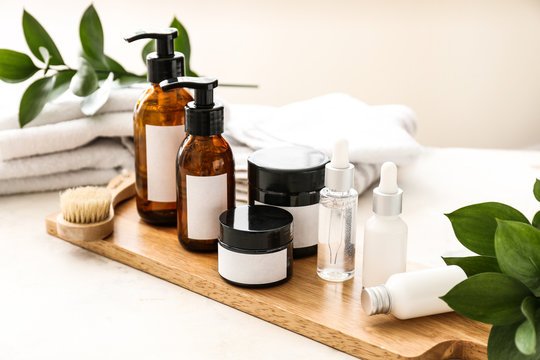
But the moment I stopped guessing and started listening to my hair, everything changed. Here’s what a full set of hair care products for natural hair looks like and the role each one plays in your hair care routine.
Standard shampoo and conditioner Sulfate and silicone free shampoo and conditioner that cleanse and hydrate your hair without stripping it of its natural oils is best for natural hair. Take it like this, wash your hair without beating it up.
Sulfate Free Shampoo
A mild, sulfate-free shampoo washes clean without depleting the natural oils your curls rely on. Consider it as if you were washing your hair but not beating it up.
Moisture Rich Conditioner
The real hydration occurs with the conditioner. Natural hair responds to thick, rich, moisturizing conditioners, not thin, watery ones.
Deep Conditioning Treatment
Once a week (or every two weeks, depending on your hair), a deep conditioning treatment puts back what life strips away heat, weather, the friction of a pillowcase, all of it.
Leave In Conditioner or Cream
This is the step that made all the difference for me. Quality leave-in seals in moisture immediately after washing before frizz has a chance to lock in.
Natural Oils and Sealants
A light oil at the ends helps to lock in moisture and adds a nice healthy shine without weighing curls down.
Styling Gel or Curl Cream
To get definition without the crunch, a flexible styling cream or gel holds curls together as they dry, rather than hardening them.
Building a Simple Routine
You don’t need ten steps every single day. A realistic routine looks something like this:
- Wash day (weekly): cleanse, deep condition, apply leave-in and styling product while hair is still damp
- Daily: a light mist of water and a small amount of oil to refresh curls
- Nightly: protect hair with a satin or silk covering to reduce friction and breakage
That’s it. Consistency matters far more than complexity.
The Benefits You’ll Actually Notice
Within the first few weeks after transitioning to products formulated for natural hair, the difference is not subtle. Breakage decreases. Curls begin clumping rather than frizzing apart.
You can feel that the hair is softer to the touch, and your mornings will be so much easier because you’re not fighting your own texture anymore you’re working with it.
There’s also a confidence shift that’s hard to describe. Healthy, well cared for natural hair doesn’t have to hide under heat tools or protective styles out of need. It can just be itself.

Why This Matters More Than Ever
The natural hair care movement has gained momentum over the last 10 years, moving from a niche interest to a mainstream movement as more people have ditched heat styling and chemical straightening for their natural texture.
This shift has prompted brands to create better-formulated, curl-focused products which means the products for natural hair today are actually better than they were even five years ago.
Final Thoughts
Natural hair isn’t high maintenance; it’s just been misrepresented by products that were never meant for it. After you have discovered the ideal hair care products for natural hair, and you create a routine based on consistency instead of perfection, your curls will begin to do what they have always been meant to do and thrive.
Frequently Asked Questions
How often should I wash natural hair?
Most natural hair types do best with washing once a week or every other week, since over-washing can strip away needed moisture.
Can I use regular conditioner on natural hair?
You can, but conditioners formulated specifically for natural or curly hair tend to be richer and deliver better moisture retention.
Is it necessary to be in a deep condition every week?
Not always it depends on how dry your hair gets. Some people need it weekly, others do fine every two weeks.
Why does my natural hair feel dry even after conditioning?
This usually means the conditioner isn’t rich enough for your hair’s porosity, or you’re skipping the leave-in step that locks moisture in afterward.
Do I need expensive products for natural hair care?
Not necessarily. What matters most is the formulation look for moisture-rich, sulfate-free ingredients rather than focusing on price.