Picture this. After a long hour in traffic with dust in your face and sun on your forehead, your skin looks like it’s ready for a nap by nightfall. Then a few weeks after that you notice new dark marks popping up, and your tone is patchy in every selfie.
Mostly we blame our sleep, or our diet. Sometimes the face-breakout culprit is just daily damage to the skin. That’s why vitamin C serum is such a big deal, and once you learn what it does, you’ll understand why so many people have it in their morning routine.
Your Skin Is Sending Signals
Skin rarely stays quiet when something’s off. It just talks in small hints:
- A face that seems tired even after a full night’s sleep
- Dark spots that stay long after the pimple is gone
- A tone that looks uneven, especially under bright light
- Skin that feels rough and looks flat, with no natural shine
If any of these sound familiar, your skin is asking for a little extra care. Vitamin C serum is one of the easiest ways to answer.
First, What Is Really Happening to Your Skin?
Sunlight, smoke, and polluted air contain tiny unstable particles called free radicals. They slowly harm skin cells, and you see the effects as dullness, spots and lines.
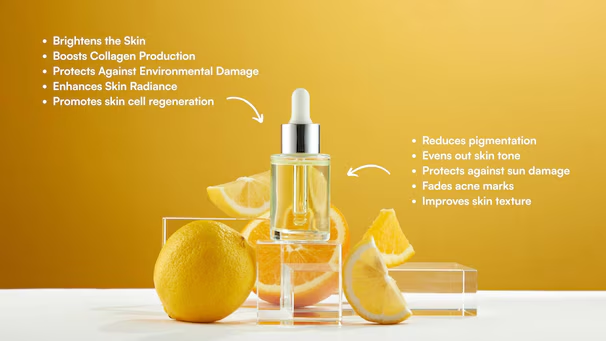
Vitamin C is an antioxidant, which means it helps to fight against particles that can cause a lot of damage. It is also involved in the formation of collagen, the protein that maintains the firmness of the skin.
A serum delivers it in a light, concentrated form that sinks in quickly. Here’s what that can do for you.
Why Does My Skin Look So Dull?
Dullness is generally a result of a combination of dead skin, dust and sun stress.Vitamin C helps brighten the surface, so your face reflects light better and looks more awake. Don’t expect magic after one use. Give it a couple of weeks and compare photos in the same lighting. That’s when most people spot the change.
Why Won’t These Dark Spots Fade?
Old pimple marks and sun patches remain because the skin keeps making too much pigment in that spot. Vitamin C slows that down, so marks fade over time and your complexion starts to become more even. It is a slow process, there are no shortcuts. If you skip days, and give up after ten days, you will not see much. Consistency is the key.
Can It Help With Early Lines?
Fine lines are caused in part due to a decrease in collagen production as we grow older. Vitamin C, which is essential for collagen production, helps skin feel plumper and smoother as it builds new collagen over time. It won’t remove deep wrinkles, and anyone who says that is lying. But it’s a good routine to start getting into in your twenties or thirties, rather than waiting until you think of lines as a problem.
Is Sunscreen Not Enough?
Sunscreen is necessary, and there is no substitute for it. Consider it your shield. Vitamin C acts more like a clean-up crew, addressing some of the damage that still makes it inside. Layering both in the morning will offer up the best daytime defence for your skin, superior to either on its own. If you have to pick, pick the sunscreen.
What About Redness and Post Breakout Marks?
Vitamin C has a mild calming effect, so it can help skin that looks blotchy or stressed. It also helps those reddish-brown marks left after a breakout fade faster. That said, if your skin is very reactive, go slowly. More is not better here.
How Do I Start Without Irritating My Skin?
Keep it simple:
- Clean your face and pat dry.
- Do a patch test on a small dot on your jawline for 48 hours.
- Use 3-4 drops in the morning followed by moisturizer and sunscreen.
- Start every other day, then progress daily.
If you are already using exfoliating acids or retinol, introduce new products one at a time so you can identify what’s helping you and what’s irritating you.
How Do I Pick a Good One?
Consider three factors. Strength: Beginners with a lower percentage will get better results anyway and you can increase in strength later on. Second, Packaging: a dark bottle with a dropper or pump maintains the stability of the formula. Third, Consistency: everyone likes something different, but probably the closest description is that the oily folks tend to like a thinner, more watery serum, while the dry crowd tends to go more for the ‘extra’ hydrating ingredients.
And give the colour a little shake from time to time. The new serum is clear to pale yellow. If yours has changed to a deep orange or brown colour, it has oxidised and will not be as effective. Keep it out of heat and sunlight.

3 Mistakes That Quietly Ruin Your Vitamin C Serum
You can buy a great serum and still get poor results if you slip up on these:
- Using too much, too soon. Piling on extra drops won’t speed things up. It usually just irritates your skin. A few drops are plenty.
- Skipping sunscreen. Without it, you’re undoing much of the good work. Sun keeps creating the same spots you’re trying to fade.
- Leaving the bottle in a warm, bright spot. A steamy bathroom shelf or a sunny windowsill breaks the formula down fast. Keep it cool, dark, and tightly closed.
The Bottom Line
The biggest benefits of a vitamin C serum are straightforward a brighter appearance, a more even tone, softer early wrinkles, and a little extra protection if you wear sunscreen. It’s not a miracle, but it’s one of the easiest things to do. Start small, be patient and let your skin show you the difference.
Quick Questions People Ask
Is vitamin C serum good for teenagers to use?
Loads of them can, particularly for marks and dullness, as long as they opt for a mild formula and do a patch test. Sunscreen still comes first.
Can I use it at night?
Yes, some people prefer to use it at night. Using it in the morning just goes well with sunscreen, so you can use it whenever you’ll actually remember to.
Is a little tingling normal?
You might sense a mild prickling in the beginning. Burning, irritation, or persistent redness is abnormal. Stop using it and see a dermatologist.
Can oily skin use it?
Absolutely. A lightweight, water-based serum is usually a good match for oily and acne-prone skin.
How soon will I see a difference?
You may start to see an improvement in glow in a couple of weeks. Spots and texture will take longer, usually a month or two.