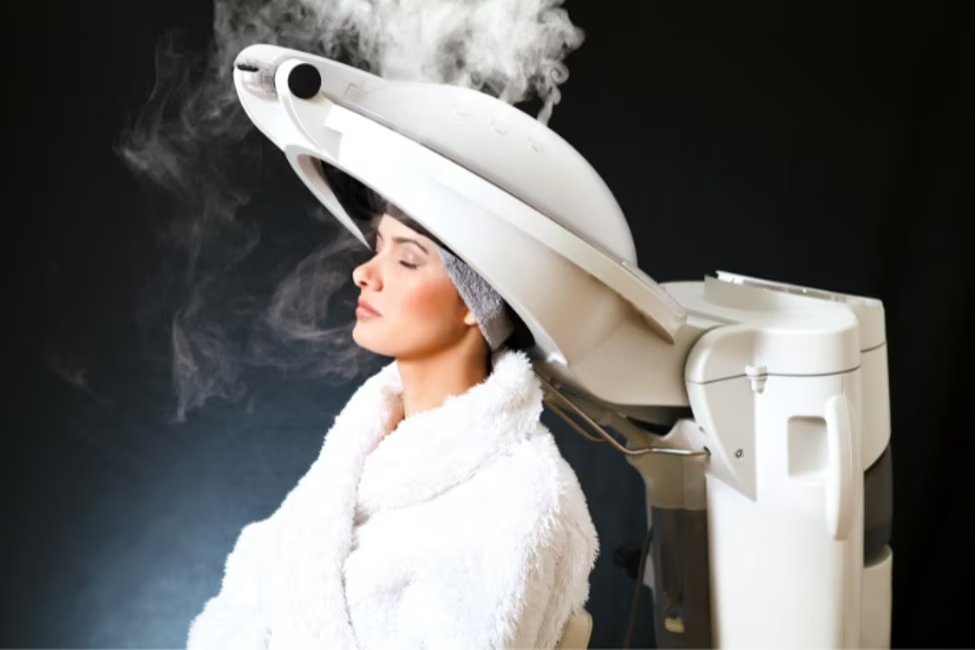
A hair steamer is a device that emits warm steam used to open the cuticles of your hair. This makes your hair play better with the water and the conditioning treatments in the process. Lots of people are using at home hair steamers for moisture, strength and shine.
Hair Steamer: What It Is, the Benefits, Side Effects, and How to Use One Safely In this article, readers will get a clear understanding of what a hair steamer can do, the benefits of a hair steamer, its potential side effects, and if/how they can use one safely. We will also discuss the frequency of hair steamer use and which hair types are most beneficial.
What Is a Hair Steamer?
Hair Steaming or how a hair steamer works combines heat and water vapor to provide gentle steam. The steam lifts the outer layer of each strand of hair, known as the cuticle. After the cuticle buries, both moisture and hair products are able to infiltrate more deeply into the hair shaft.
This art of treatment is different from using stylist tools such as curling irons or blow dryers butting heat on your hair. Those tools produce dry heat, which may dry out hair in the long run. Instead of applying dry heat, a hair steamer adds moisture, so it’s a milder workout for many hair types.
How a Hair Steamer Works
The steamer is heating the water to turning it into the vapor. That vapor is then sprayed on the hair and scalp. The warm moisture softens the hair cuticle which allows it to lift slightly.
When the cuticle is open, a product applied before, such as a deep conditioner or hair mask, is able to penetrate more. Your hair will not only be more moisturized but you will also have enhanced hair texture in just one session.
Types of Hair Steamers
There are three main types of hair steamers for home and professional use. There are more like slightly unique variations of each type. And one goes a bit higher regarding needs.
| Steamer Type | Best For | Key Feature |
| Hooded Steamer | Salon-style deep treatments | Covers the entire head evenly |
| Handheld Steamer | Quick at-home sessions | Portable and easy to control |
| Cap Steamer | Budget-friendly home use | Simple design, lower cost |
Handheld steamers are the most popular choice for home use. They are compact, affordable, and simple to operate for daily hair care routines.
Benefits of Using a Hair Steamer
There are quite a few benefits when you use hair steaming for both the health and look of your hair. These are the products of a related advantage of steaming, and these are what many people appreciate and take advantage of in their hair care routines, with dry hair and damaged hair being the most common hair types to be attracted to this remedy.
Increases Hair Moisture and Hydration
Steam expands the hair cuticle and liberates hydrogen bonds, lets water molecules enter the hair shaft. This effect enhances the hair’s internal hydration to a great extent. I found that when hair is steamed, it is softer and shinier after the fact.
Enhances the Penetration of Hair Products
Hair products, conditioners and hair masks will penetrate the hair and be effectively absorbed when using steaming before application .The cuticle is open, allowing ingredients to penetrate deeper into the hair shaft. That means the products you’re applying to your hair are working harder and doing more for you.
Increases Hair Flexibility and Strength
Wet Hair Is More Flexible and Less Prone To Breaking Off. The effect of steaming is to make hair fibres more flexible, therefore it reduces breakage. Ultimately this creates stronger, healthier hair.Makes Styling Easier
Steamed hair is more pliable and easier to straighten and curl. Added moisture makes the hair more flexible so styles last longer with less heat damage. Steam is used by many stylists before major treatments for this very reason.
Quick summary of hair steamer benefits:
- Enhances moisture levels and hydrates
- Increases absorption of conditioners and masks
- This makes the hair stronger and less most likely to break.
- Speeds up and enhances the styling process.
- Contributes to curl definition and the smoothing of straightened hair
- Side Effects and Disadvantages of Hair Steaming
Hair steaming has genuine benefits to it, but it also is not without its risks. Too much or the wrong method can cause a couple of mild side effects.
Overuse Can Increase Hair Porosity
Too much steaming can lift the hair cuticle too many times or for too long. This frequent raising can result in excessive hair porosity. What is known is that hair that is highly porous can lose moisture quickly and is more difficult to manage.
Damage Risk for Chemically Treated Hair
Bleached, relaxed or color treated hair is more fragile to begin with than natural hair. Steaming this hair so often could cause the strands to become weak. This makes your hair more prone to “razor” which is when your comb or brush snags and pulls out a large amount of hair.
Sensitivity or Irritation of the Scalp
Plenty of people have been loving the results, but sensitivity of the scalp has been reported, largely after longer steam sessions. Too hot a steam can also produce slight irritation of the respiratory tract or mild discomfort. Temperature and time need to be checked in every session.
Who Should Avoid Frequent Hair Steaming
Some hair types need extra precaution before introducing steaming in their regimen. If any of the following conditions apply to you, you might want to stay away from regular treatments of this kind.
Unfortunately, these do not include severely damaged or chemically over-processed locks.
- A sensitive, easily irritated scalp
- Active scalp diseases, including eczema and psoriasis.
- Hair that is so fine is pin straight and breaks easily when heated.
- If that describes you, seek out a hair pro first.
Based on your hair type and condition, they can advise how often.
How To Use a Hair Steamer At Home
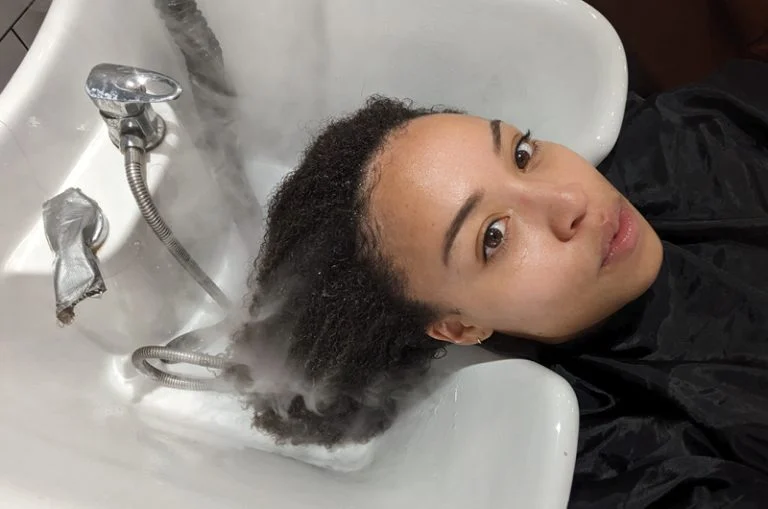
Using a hair steamer properly will help you experience all the good benefits with none of the risk.Here are the hair steaming tips you should know for an at-home session you’ll actually enjoy.
Step 1: Cleanse your hair
You need clean, shampooed hair before you start any steaming session – that goes without saying! The steam allows for deeper penetration because you have removed the dirt and product buildup. Condition better: Clean hair binds with conditioner much better than dirty hair.
Step 2: Apply a Deep Conditioner
Apply a generous quantity of deep conditioner from the end of your hair to almost the root. Concentrate on the driest and most damaged patches. This product will be deeply absorbed when you start heating.
Step 3: Steam Your Hair
Turn on the steamer and allow the steam to distribute evenly on your head and hair. The length of most sessions should be around fifteen to twenty minutes, depending on the hair length. Do not go beyond the limit for excess moisture build up.
Step 4: Rinse Well
Upon steaming, rinse your hair with warm water. This both rinses away any conditioner residue in your hair and presses the cuticle down. Cool rinses also help to “seal” in moisture.
Step 5: Protective Serum Application
Seal in your steam moisture with a lightweight serum from your steaming treatment. This also contributes to the shine and protection from environmental stress of the hair. Concentrate on the mid-lengths and the ends.
Step 6: Style Yourself
Now you can finish by styling your hair as you like .That’s because steamed hair is easier to blow-dry, straighten, or curl. You should be observing it sliding through your hair so you can work without any snags.
How Often Should You Use a Hair Steamer
Frequency plays a major role in how safe and effective hair steaming remains over time. Using a steamer too often can undo its positive effects.
| Hair Type | Recommended Frequency |
| Normal, healthy hair | Once weekly |
| Dry or damaged hair | Every 1–2 weeks |
| Chemically-treated hair | Every 2–3 weeks |
| Fine or fragile hair | Every 3–4 weeks |
Signs You May Be Overusing a Hair Steamer
Watch for these warning signs if you steam your hair frequently. They may indicate it is time to reduce your steaming sessions.
- Hair feels limp or overly soft after drying
- Increased shedding or breakage during brushing
- Hair takes noticeably longer to dry than usual
- Scalp feels irritated or unusually sensitive
Which Hair Types Benefit Most From Steaming
Hair steaming is suitable for all hair types, with a few exceptions for texture.Know Your Curl Type Once you know your curl type, you can make the most of the products you use.
Dry and Damaged Hair
Parched and over processed hair is hair that needs moisture and has become stiff. Steaming rehydrates and softens fine hair. It definitely is one of the best treatments for getting dull and dry hair back to life.
Curly and Coily Hair
Curly and coily hair is usually naturally drier as a result of its shape. Steam allows for curl patterns to be more defined as well as increasing overall moisture retention. A lot of curly-haired people say they get less frizz after a few steaming treatments.
Straight and Fine Hair
Straight and thin hair can also improve, but the treatments are shorter and held less weekly. Steaming adds volume and smoothness to the hair, without making the hair heavy. It makes hair styling easier but still keeping natural volume.
How to Choose the Best Hair Steamer
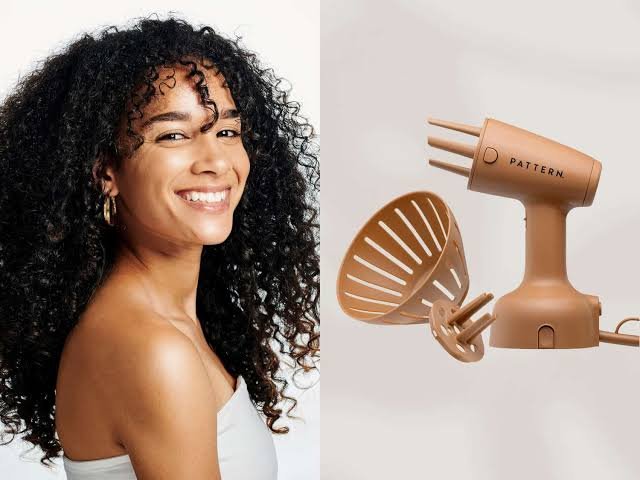
The best hair steamer for you depends on your budget, how long your hair is, and how frequently you plan to use it. Take these considerations into account when deciding.
Handheld vs Hooded vs Cap Steamers
Handheld steamers allow for spontaneity and the convenience of at-home treatments. Hooded steamers deliver the most uniform, salon-quality results, but they are bulkier. Cap steamers are the most affordable option, but they have the least amount of control.
Home vs Professional Options
Commercial steamers are designed for the beauty professional while basic steamers are designed for the consumer to use at home. Luxury models also usually have more temperature settings, and can heat up more quickly. If you use a steamer frequently it may be worthwhile to invest in a higher quality model which will save you money in the long term.
Final Thoughts
A hair steamer can be a powerful addition to your hair care routine when used correctly. It boosts moisture, strengthens strands, and makes styling significantly easier. However, moderation is key to avoiding porosity issues or breakage.
By following the right technique and frequency for your hair type, you can enjoy healthier, softer, and more manageable hair. Start with one session per week and adjust based on how your hair responds over time.
Frequently Asked Questions
What is a hair steamer?
A hair steamer is a device that uses warm steam to open the hair cuticle. This allows water and hair products to absorb more deeply into each strand.
What are the benefits of hair steaming?
Hair steaming boosts moisture, improves product absorption, and increases hair strength. It also makes styling easier and helps define curls in textured hair.
Which hair types benefit most from a hair steamer?
Dry, damaged, curly, and coily hair types typically benefit the most from steaming. Straight and fine hair can also benefit with shorter, less frequent sessions.
Can a hair steamer cause damage?
Overusing a hair steamer can increase hair porosity and raise the risk of breakage. This is especially true for chemically-treated or already fragile hair.
How often should you use a hair steamer?
Most hair types do well with steaming once every one to two weeks. Chemically-treated or fine hair should be steamed less frequently to avoid damag