
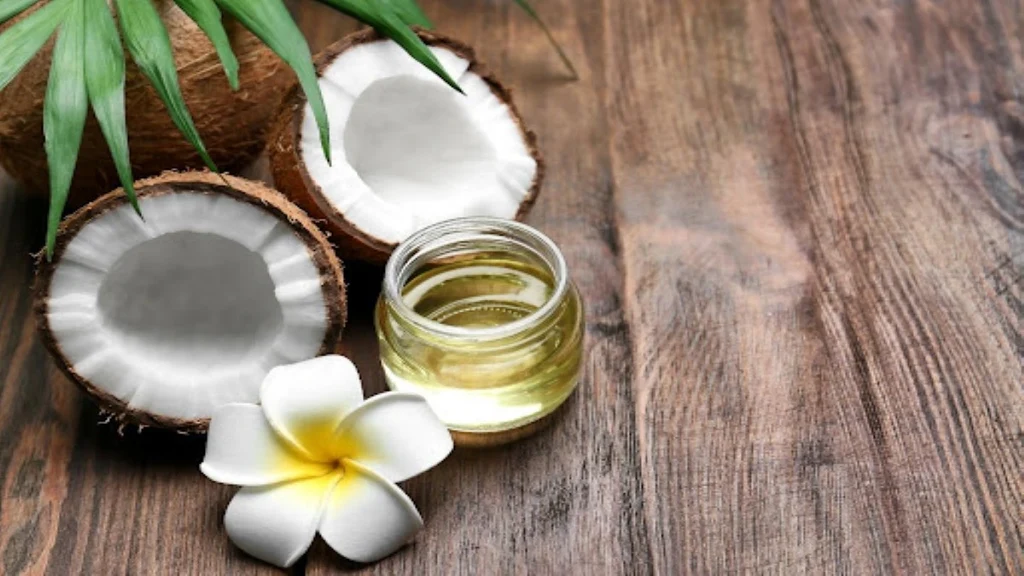
Coconut oil is predominantly lauric acid. It is a small, light fatty acid. Big enough to actually get inside the hair strand, not just sit on top of it.Most other oils, mineral oils, silicone-based serums just coat the hair from the outside. The coconut oil goes in.
A well-known study in the Journal of Cosmetic Science tested coconut oil against mineral oil and sunflower oil. Only coconut oil was able to reduce protein loss in both healthy and damaged hair. That’s because, scientists say, lauric acid bonds nicely with keratin, the protein that makes up your hair.
And helps fight the fungus that causes dandruff. Two of the fatty acids found in coconut oil caprylic and capric acid are active against the fungus most commonly associated with a flaky scalp: Malassezia globosa.
What Coconut Oil Does for Hair Growth and Dryness
Here’s what it’s actually good for:
- Prevents protein loss. Oil your hair before shampooing, you lose way less keratin when you shampoo and comb. Less damage. Less splitting.
- Hydrates hair. It fills tiny cracks in the hair cuticle and traps liquid inside. Best for dry, damaged or treated hair.
- Calms dry, flaky scalp. Hydrates skin and treats the fungus responsible for dandruff.
- Safeguards hair from heat and rough handling. Oiling your hair prior to washing will cause it to absorb less water and swell less causing less internal damage. Less friction when combing too.
- Healthy scalp overall. A balanced scalp leads to better hair growth, less breakage, less shedding. It’s antibacterial and antifungal, which helps with that.

Which Coconut Oil Should You Buy?
This is where a lot of people go wrong. Not every coconut oil on the shelf works the same way.
| Type | How It’s Made | Best For |
| Virgin / cold-pressed | Pressed from fresh coconut milk, no heat used | Scalp care, pre-wash oiling, dry and damaged hair — the best all-round pick |
| Extra virgin | Made the same way as virgin oil | Same as virgin coconut oil |
| Refined | Made from dried coconut, uses heat and bleaching | Fine for basic shine on a budget, not great for scalp treatment |
| Fractionated | Liquid oil, heavier fatty acids removed | Light scalp serums, mixing with essential oils, doesn’t go deep |
| Dry coconut oil sprays | Not real oil it’s a styling product with added ingredients | Frizz control and shine, not a real treatment |
If you’re picking one bottle for actual hair care, go with virgin or cold-pressed coconut oil. That’s the one with all the good stuff still intact.
How to Actually Use Coconut Oil on Hair
There isn’t just one way to oil your hair and the method you pick changes the result.
Before washing (30 minutes or overnight): Apply oil to dry hair, starting at the roots and working through to the ends, section by section. Using gentle circles, massage your scalp for 5–7 minutes. Leaving it on for at least 30 minutes overnight is even better. Rinse it thoroughly, twice if you feel it necessary.
This science is the most conclusive of any approach.After you wash, as a finishing touch: Soften a couple drops in your hands, then smooth through midlengths and ends, avoiding roots. Tames frizz, adds shine and doesn’t weigh down hair.
For just the scalp: Heat 2-3 teaspoons and apply directly to your scalp. Massage for 5–7 minutes, keep for an hour or overnight and then rinse off. Top choice if dandruff or dry scalp are your biggest concern.
Best Way to Use Coconut Oil for Dry Hair
Dry hair has a damaged cuticle that’s why it loses moisture so fast. Coconut oil assists here in two ways: it enters the strand to preserve the protein, and it covers the outside to prevent moisture from escaping.
For dry or coarse hair, this works best: warm 3–4 teaspoons of virgin coconut oil (just immerse the bottle in warm water for a couple of minutes). It is applied in sections, from roots to ends, with special attention to dry areas. With a soft cloth, leave it overnight.
In the morning, wash it out with a mild, sulfate-free shampoo.Once a week for a month or so, you’ll feel your hair get softer and less prone to breakage.
A Simple Weekly Coconut Oil Routine
Normal to oily hair: Use once or twice a week. Oil 30 to 60 minutes before washing, then shampoo normally. A tiny bit on the ends after washing helps too.
Dry or processed hair: When needed, sleeping with it once a week. Rinse out in the morning, and apply a little on damp ends.
Dandruff or dry scalp: Apply 2 times/week directly on your scalp and leave it on for 1 hour or until nightfall. A medicated shampoo (either ketoconazole or zinc pyrithione) should be used if dandruff remains.
Before heat styling: Just a dab to shield hair from heat damage. Do not go overboard a lot of oil before heat can backfire.
When Coconut Oil Isn’t the Right Fit
It’s not perfect for everyone. A few situations where it might not help:
- Fine or low porosity hair this can cause hair to look flat and oily. Argan or jojoba oil tends to work better in this case.
- Oily scalp to begin with more oil can only exacerbate the problem.
- Over-processed, protein sensitive hair some people report their hair becomes stiff and fragile rather than soft.
- Allergies they’re rare, but they do exist. Do a patch test before using it for the first time.
Final Thoughts
Coconut oil for hair isn’t just an old household habit, it’s genuinely one of the most researched natural hair ingredients out there. It goes deeper than most oils, protects hair strength, and keeps your scalp in good shape.
Pick virgin or cold-pressed coconut oil. Warm it up before applying. Stay consistent. That’s really it, no complicated routine needed, just the right oil used the right way.
Frequently Asked Questions
Does coconut oil help hair grow faster?
Not directly. But it keeps your scalp healthy, which means your existing hair breaks less and grows in better condition.
Which coconut oil is best for hair?
Virgin or cold-pressed. It keeps all the good fatty acids and antifungal compounds that get lost during refining.
How often should I oil my hair?
Once or twice a week works for most people. Dry hair needs weekly overnight treatments. Oily scalp? Stick to lengths and ends, once a week max.
Should I warm the oil before applying?
Yes, it helps the oil go in deeper. Just warm the bottle in hot water for a couple of minutes, never microwave it, it can heat unevenly and burn your scalp.
Can coconut oil actually fix dry, damaged hair?
Yes, this is where it works best. It cuts down protein loss in damaged hair specifically. Weekly overnight treatments give the best results.
What’s the right way to massage the scalp?
Fingertips, gentle circles, 5–7 minutes, section by section. Don’t scrub hard it can cause breakage at the roots.
Is it okay to leave coconut oil overnight?
Yes, and it actually works better than a quick 30-minute treatment. Just cover your hair with a soft cloth to protect your pillow.
Is “dry coconut oil” the same as regular coconut oil?
No. Dry coconut oil sprays are styling products, not real oil. They add shine but don’t treat hair the way pure coconut oil does.
Any side effects to watch out for?
Greasiness in fine hair, extra oiliness if you have an oily scalp already, and rarely, stiffness in over-processed hair. Allergic reactions are uncommon but possible.
How long before I see results?
Around 4–6 weeks of consistent weekly use for texture and breakage improvement. Dandruff and dryness usually improve faster, in 2–3 weeks.