
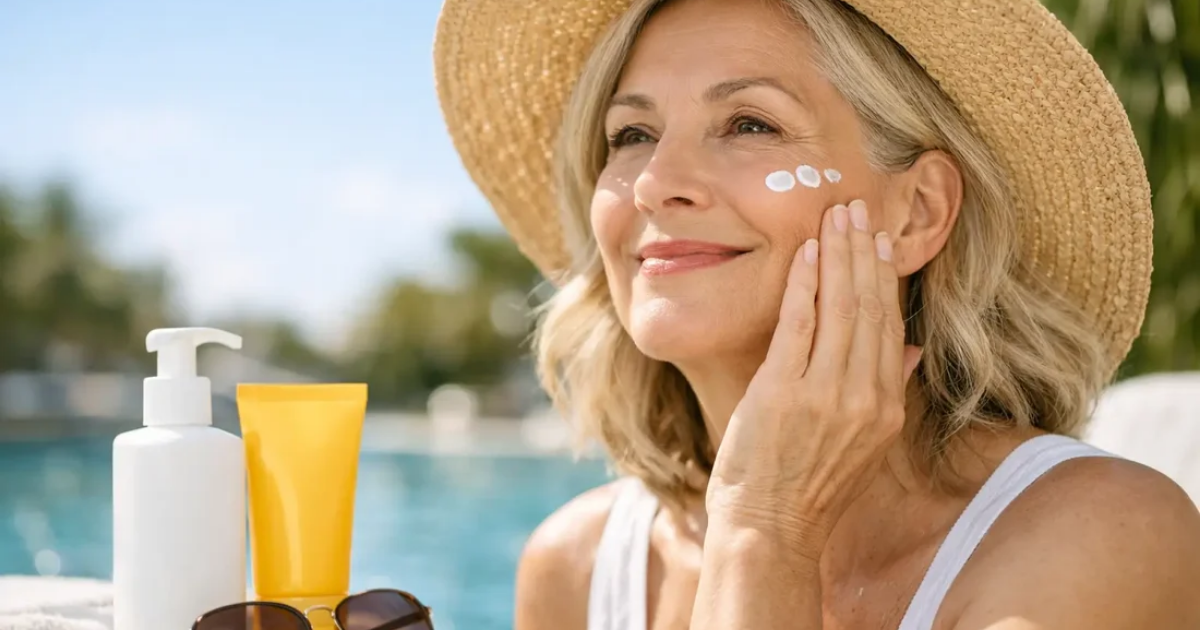
Sun exposure can cause skin damage, dark spots, premature aging, and an increased risk of skin cancer. People with sensitive skin may also experience discomfort when their skin is exposed to sunlight, especially if their skin barrier is already irritated or damaged.The good news is simple. You can buy sunscreen for sensitive skin that feels light, does a good job and doesn’t make you want to scratch your eyes out. This guide will show you how.
Why Sensitive Skin Reacts to Sun Protection
It is more prone to pollution and has thinner walls for absorbing the sunlight. This barrier helps to prevent water from leaving your skin and prevent potential irritants from entering. When it is thin or damaged, little things bring great reactions.
Symptoms such as:
- It starts to sting or burn when you use a product
- Redness that lasts several hours
- Dry, tight, or flaky patches
- A rash or bumps
Some people are born with this skin type. Others get it as a result of harsh scrubs or acid, changes in weather, or their health, as with eczema and rosacea.The sun just makes it all worse. UV rays inflame the skin and Disgrace its natural protection. So, the right sunscreen does two jobs. It stops UV light, and it’s not another source of stress for your skin.
Mineral vs. Chemical Filters: Which Is Better?
All sunscreens contain filters that prevent the passage of UV rays. These filters can be converted into two types.
Mineral Sunscreen
Mineral sunscreens use zinc oxide and titanium dioxide as active ingredients to protect the skin from ultraviolet (UV) radiation. These mineral filters absorb UV radiation and also reflect and scatter some of it. Mineral sunscreen can be a suitable option for people with sensitive skin, although reactions depend on the complete formula and individual skin sensitivity. If your skin reacts easily to skincare products, consider a fragrance-free formula and test it on a small area of skin before applying it to your entire face.
Chemical Sunscreen
Chemical sunscreens use organic UV filters to protect the skin from harmful ultraviolet (UV) radiation. These filters absorb UV energy and convert it into other forms of energy, helping reduce the amount of UV radiation that reaches the skin. However, not all chemical sunscreens cause irritation, and their suitability depends on the formula and individual skin sensitivity. If you have sensitive skin, choose a fragrance-free sunscreen that suits your skin and patch-test it before applying it to your entire face.
The Simple Verdict
If you have skin that is likely to react, start with a Crystal formula. If you use a chemical one and it feels ok, then you can continue using it. Your skin is the best judge.
What to Look for on the Label
Reading a label can be like trying to read minds. Use this little check to make it simple.
Broad Spectrum Protection
There are two major types of UV light. UVA ages the skin. UVB burns it. You want a product that’s protective from both. The term broad spectrum should be on the label.
SPF 30 or Higher
SPF is a measure of how well the product protects against UVB. SPF 30 filters out 97 per cent of them, but they’re not equal. 98 percent of the population uses SPF 50. Don’t get hung up on the numbers and don’t go too high. What’s really important is applying enough and reapplying frequently.
Fragrance Free Formula
Fragrance is one of the top reasons people have skin reactions. Use a fragrance free sunblock. Watch out when companies use the term fragrance free. It may still have some masking scents. Look for fragrance free on the packaging and read the ingredient lists.
Simple Ingredient List
Better safe than sorry with short lists. The fewer ingredients the better to reduce the risk of having a reaction. Check out these soothing extras:
- Niacinamide, to reduce redness
- Ceramides to replenish skin barrier
- Glycerin and hyaluronic acid for hydration
- Aloe and allantoin to ease irritation
Non Comedogenic and Dermatologist Tested
Non comedogenic indicates that the product should not block pores. This helps if you also get breakouts. Dermatologist testing is a good sign, too. But it is no guarantee, so always patch tests.
Ingredients to Avoid
The following are ingredients with potential irritancy for reactive skin. Look out for these on the list:
- Added fragrance or perfume: It is a well known irritant that causes itching and redness.
- Alcohol:It can also dry out and sting the skin.
- Essential oils:While Plum, Zesty and Mint oils may smell wonderful, they can be irritating.
- Oxybenzone: A chemical filter that produces allergic reactions in some beings.
- Strong preservatives: Some foods are too strong, a common allergen.
- Harsh colorants and dyes: None of these give protection.
Everyone Won’t React To All Of The Above. Still, steer clear of them and you’re off to a safer start.
Choosing the Right Formula for Your Skin Concern
Sensitive skin is not one size fits all. Your second skin trait also matters for your skin care routine.
Dry skin
Choose a cream or lotion with lipid molecules and glycerin. They bring relief and the skin doesn’t get too tight. Avoid alcohol based gels, especially those with a high Attention of alcohol.
Oily Skin or Acne-Prone
Opt for a light, oil free, non Blackhead fluid or gel cream instead. Mineral makeup can also calm a breakout. Matte finishes are perfect for makeup bases.
Dark skin tone
Try a tinted mineral sunscreen for sensitive skin. The tint will help to mask and to remove the white cast. Many Modern labels have more than one shade.
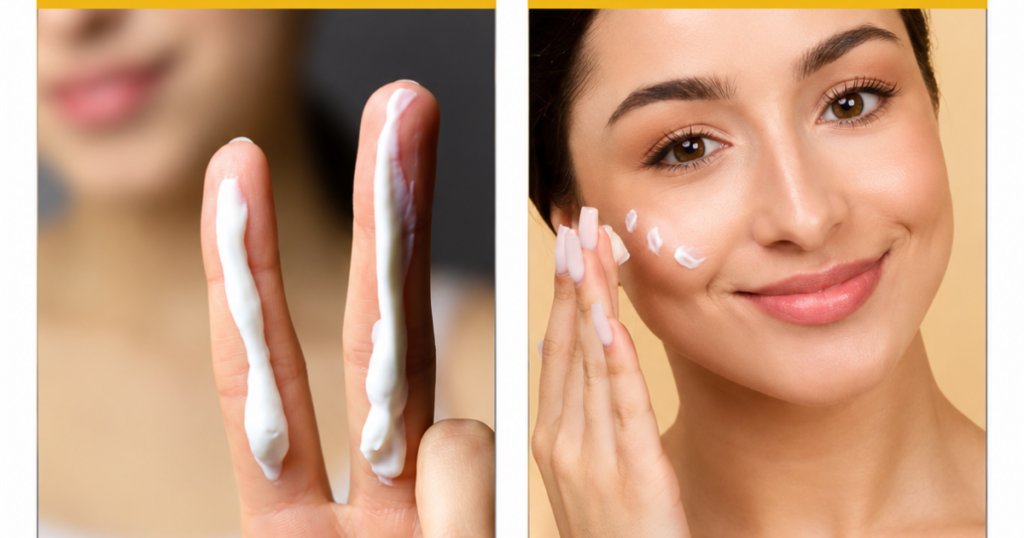
How to Apply Sunscreen the Right Way
If the best is in too small a quantity, the effect will not be much. Just these few steps.
Use enough: For your face and neck, it should be about a half teaspoon.Many people use far less than they
Apply it as the last skin step:After the moisturizer layer, you can apply sunscreen. In case you are wearing makeup, put on the sunscreen first and give it a few minutes to soak in.
Apply it 15 minutes before going out:Some recipes need a little time to form a smooth film.
Reapply every two hours:If you need to reapply more frequently because you are sweating, swimming.
Do not forget small areas: Apply on your ears, the nape of your neck, your lips and the back of your hands. For your lip, use a scarf with SPF.
Dab, do not rub:You can irritate by mistake by rubbing too much, sensitive skin. Gently Press in the product.
Common Mistakes to Avoid
Even the most careful of people make a few slips. Watch out for these:
- Skipping sunscreen indoors:UVA rays do go through windows. If you’re sitting near one, you still need protection.
- Trusting makeup with SPF alone:you would have to wear too much makeup to actually get the full SPF on the label.
- Using an old bottle:Sunscreen goes bad. Heat can also destroy it. Check the date and if your tubes are past their prime, pitch them.
- Switching products too often:If you are changing brands, you will never figure out what works for your skin.
- Layering too many active products: Acids and Vitamin A1, for example, increase your skin’s sensitivity to the sun. Use with a mild sunscreen, and only as directed.
Final Thoughts
Select a sunscreen without fragrance. Check the label, don’t use anything that you know already causes you discomfort, test the product for yourself before applying it to your whole face.And then make it a routine Apply Bountifully, re apply At once, and Improve with shade, a hat and sunglasses. Your skin will remain calm, clear and healthy for all those years. If your skin is still irritated, or if you have any other skin condition, I’d also recommend you see a dermatologist. They will be able to recommend the best and safe treatment for you.
Frequently Asked Questions
Is mineral sunscreen always safe for sensitive skin?
This is usually the Humble choice, but not always. Some mineral based products may have oils fragrances in them. You should read the entire ingredient list and do a patch test on your skin before using them.
What kind of sunscreen is best for sensitive skin?
For sensitive skin, mineral sunscreens with zinc oxide or titanium dioxide are often a good choice. Select a fragrance-free, broad-spectrum SPF 30 or higher formula and patch-test it before using on your face.
Why does my sunscreen sting my eyes?
Several chemical filters tend to sting your eyes when you sweat. Mineral and stick formulas are less likely to do this. You can also put some of the product a little under your eyes.
How do I choose the right sunscreen for me?
Choose a broad spectrum sunscreen with an SPF of at least 30 that is appropriate for your skin type. If you have sensitive skin opt for a fragrance free formulation, check ingredients and test on a patch of skin prior to use. Reapply every two hours or immediately after swimming or sweating.
How do I remove sunscreen without irritating my skin?
wash your face. use a cleansing oil to remove oil from your skin. Wash everything away with Mild water, then softly Dab your face dry with a clean, soft towel.


1 thought on “Sunscreen for Sensitive Skin: How to Pick One That Won’t Sting”