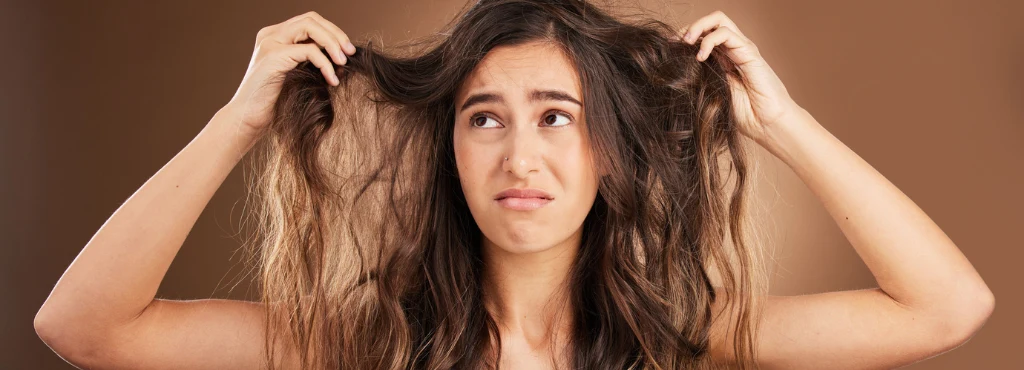
Because nobody has an hour to style their hair every morning. But frizz has its own way of unraveling your efforts in just minutes one stroll outdoors on a sticky day, and that silky blowout is replaced by a cloud of flyaways. The good news is you don’t have to revamp your entire routine to achieve smoother locks. With the right combination of a few small intentional tweaks in how you dry, treat and style your hair, you can significantly reduce both frizz and your styling time. Here’s the real reason you’re dealing with frizz, and how to treat it quickly.
The Fast Version: 5 Steps to Calmer Hair
Short on time? Start here:
- Starting with moisturizing a good conditioner or weekly mask everything is easier.
- Ditch the rough towel rub blotting or squeezing instead.
- Never the heat protectant before styling tools.
- Adjust the temperature for your specific hair type.
- In cool air it flattens the cuticle and kills flyaways.
You won’t erase frizz completely (weather and genetics play a role too), but these five habits handle most of it.
What’s Actually Causing Your Frizz?
At the level of a hair strand, frizz is essentially one thing: the cuticle, the outer protective layer of every hair, is lifting from the shaft rather than lying flat. Once it’s raised, moisture flows in and out too freely, and that’s what makes that rough, puffy look you see.
Use this table to pinpoint your likely cause:
| Symptom | Probable cause | Where to start |
| Frizzes up the moment you go outside | Humidity | Anti-humidity product + consistent moisture routine |
| Frizzy right after blow-drying | Technique or too much heat | Point the nozzle downward, lower the temp |
| Rough, brittle texture | Dryness or cumulative heat damage | Ease off the heat, boost conditioning |
| Curls losing their shape | Moisture loss or heavy products | Add hydration, style in smaller sections |
| Frizz mainly near the roots/crown | Static or breakage | Light serum, gentler handling |
The Root Causes, Explained
Humid air.Hair especially if it’s already dry or porous absorbs moisture from the air like a sponge. That absorption swells the strand and raises the cuticle, which is the reason why hair can be beautiful indoors and disastrous as soon as you step out. the job of the cuticle is to keep the moisture in Not enough internal moisture.
It sounds backwards, but underhydrated hair is almost always the frizziest. When there is a lack of moisture inside the strand, it takes moisture from the air, which causes swelling and a dull, rough appearance. Cumulative heat exposure Repeated styling with hot tools without protection slowly wears away the cuticle.
Aside from heat, the technique does: Ranzinger advises against making multiple passes over the same area or pointing your airflow at your cuticle (as opposed to pulling it along).
Natural texture. It matters what your curl pattern is. Wavy, curly, and coily hair: Oils from the scalp have a more difficult time traveling down the full length of the strand with these hair types, so these textures are naturally more frizz-prone and require additional assistance in retaining moisture.
Over cleaning . Cleansing too much, or with too harsh a cleanser, strips the natural oils from the hair that make it feel smooth, causing it to become more reactive to humidity and more coarse-feeling as time goes on.
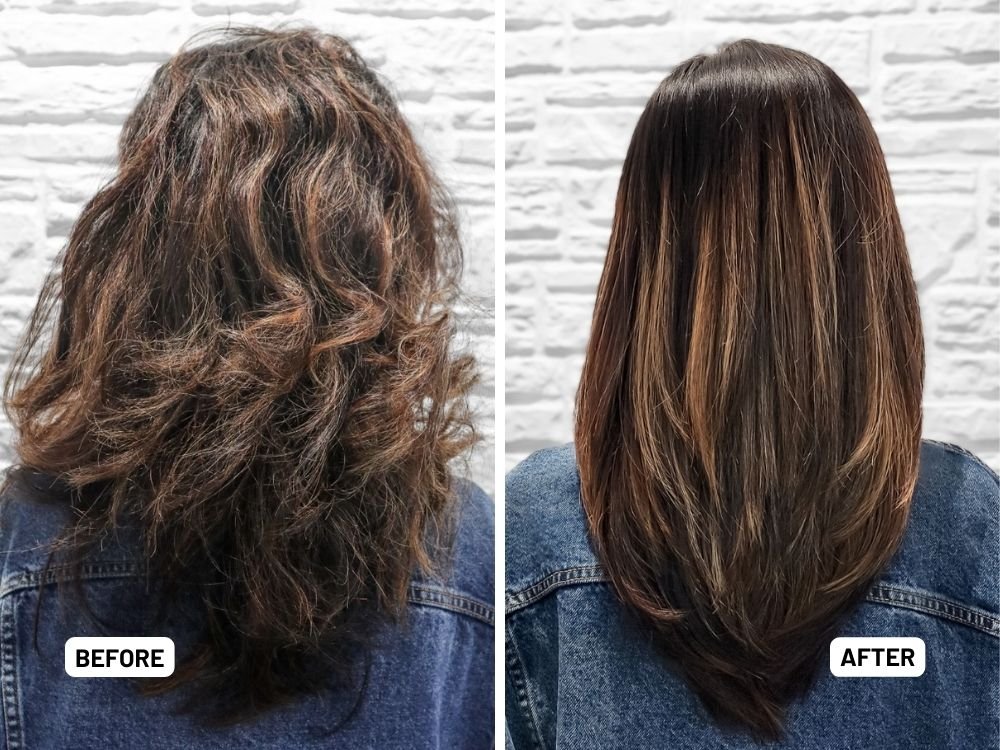
Habits That Are Quietly Making Frizz Worse
Your products might be fine. It’s often the routine around them that’s the problem.
- Aggressive towel-drying creates friction and roughs up the cuticle. Blot or squeeze with a soft towel instead of rubbing.
- Maxing out the heat setting doesn’t style hair faster, it just dries it out more. Use the lowest temperature that still gets the job done.
- Skipping heat protectant leaves the cuticle exposed to direct heat damage every single time you style.
- Styling in oversized sections forces you to redo spots you missed, which takes longer overall than working in smaller, controlled sections from the start.
- Using a tool built for a different hair type that smooths straight hair won’t necessarily do anything for curly or coily texture.
A Faster Routine for Smoother Hair
Hydrate before you style. Well-moisturized hair also lies flatter and requires less fixing. A weekly mask or richer conditioner I’ve found pays off every time you get near a hot tool.
Dry with purpose. Blot don’t rub after washing. When you are blow-drying, direct the flow of air down the hair shaft rather than all around the head at once, this will prevent the cuticle from being ruffled.
An ionic dryer can also make the drying process faster by breaking water down more efficiently.Letting hair air-dry partway before you style cuts both time and heat exposure
Choose a temperature according to your hair. More heat is not a shortcut it is a trade-off. Fine or hair that has been previously damaged needs the lowest setting it can get away with; coarser hair can take more.
Work in sections. It seems slower in the beginning, but the heat being distributed evenly allows for less passes over the same section of hair, which results in a more even finished product, ultimately saving you time.
Always finish cool. A little blast of cool air at the end closes the cuticle, enhances shine and helps your style hold longer. It is the step that gets skipped by most people and they shouldn’t.

Temperature and Tool Guide by Hair Type
- Straight hair: Less frizz prone overall, but still susceptible to static and flyaways. A smoothing brush attachment plus a lightweight serum handles most of it. General range: 280°F–380°F.
- Wavy hair: Prone to losing shape and puffing up. Tools that enhance the natural wave pattern while smoothing the cuticle work best. General range: 300°F–400°F.
- Curly hair: Needs more moisture and gentler handling to stay defined instead of frizzy. A diffuser attachment plus a curl cream helps preserve shape. General range: 320°F–420°F.
- Coily hair: The most prone to dryness of all textures hydration is non-negotiable here. Detangle gently and dry with a diffuser to protect shape. General range: 340°F–420°F.
- Damaged or color-treated hair: Stay low regardless of texture 280°F–340°F and never style without protectant.
When You’re Genuinely Out of Time
- Smooth flyaways fast with a dot of oil or serum worked in with your fingertips.
- Revive day-two hair with a light water mist and reshaping, instead of a full rewash.
- Carry a travel-size smoothing product for humid days, and lean on updos or ponytails when the weather isn’t cooperating.
- Default to frizz-hiding styles a low bun, sleek ponytail, loose braid, soft waves, or half-up style all look intentional with minimal effort.
Final Thoughts
There isn’t one magic product that solves frizz permanently, it’s the accumulation of small habits: adequate hydration, sensible heat levels, gentle drying, and tools suited to your texture. Get those right and you’ll notice smoother hair with far less daily effort.
FAQs
How can I fix frizzy hair fast?
Smooth flyaways with a small amount of oil or serum, avoid overworking the hair, and finish with cool air for an instant, smoother look.
Why is my hair frizzy after blow-drying?
Usually too much heat, rough drying technique, or airflow pointed in multiple directions. Protect first, and aim air down the shaft.
Can I reduce frizz without buying more products?
Yes, drying technique and correct heat settings often matter more than how many products you use.
What hairstyle hides frizz best?
Low buns, sleek ponytails, loose braids, and soft waves all work well.
Does finishing with cold air really help?
Yes it seals the cuticle flat, reduces flyaways, and helps your style last longer.