It can be overwhelming trying to choose the right hair care products for natural hair when the shelves are loaded with unfamiliar ingredients and bold claims. Many ordinary products contain synthetic chemicals that irritate the scalp and strip the hair of its natural shine over time.
Natural hair care is not only about avoiding harsh additives. It is about selecting formulas that truly feed, fortify, and shield your hair for the long haul.
The following guide provides easy, step-by-step tips to help you create hair care products for a natural hair routine that actually produces visible results: how they benefit you, how to properly use them, and simple habits that have the biggest impact.
Why Natural Hair Care Products Matter
Sulphates, parabens, and synthetic fragrances are typically found in traditional hair care products. Over time, these ingredients can strip natural oils, cause irritation to the scalp, and damage hair.
Products for natural hair are much more mild. Plant-based ingredients complement the natural structure of your hair, rather than working against it, providing nourishment without any harsh side-effects.
As you make the transition to natural formulas, you may also notice less breakage, less irritants on your scalp, and hair that just looks healthier from root to tip.
Key Benefits of Natural Hair Care Products
Knowing the benefits keeps you consistent with a normal routine, especially in those first few weeks where you don’t always see any results yet.
Gentler on the scalp. Natural formulas typically avoid harsh surfactants, which means less dryness, less itching, and fewer flare-ups for sensitive scalps.
Stronger, more resilient strands. Plant-based ingredients help reinforce the hair shaft, reducing snapping and split ends caused by daily wear and styling.
Better moisture retention. Natural oils and butters form a protective layer that helps hair hold onto moisture longer, especially useful in dry or cold climates.
Reduced long-term damage. Because natural products avoid harsh chemical buildup, hair tends to stay more resilient against heat styling, coloring, and environmental stress.
More sustainable choices. Many natural formulations use biodegradable ingredients and eco-friendly packaging, making them a better fit for environmentally conscious routines.
Support for healthier growth. A calmer, less inflamed scalp creates better conditions for hair follicles to function properly, which can support steadier growth over time.

Choosing the Right Natural Shampoo
Not all types of natural shampoo are suitable to do all hair types. It is vital to choose the right one to avoid dryness, oiliness, or just dull and unhealthy-looking hair after washing.
Therefore, people with oily roots should go for lighter-than-usual shampoo that rinses away dirt, and those who have dry and coarse hair need something nourishing, which would be a natural shampoo for dry hair.
Meanwhile, those with straight or wavy hair should not weigh it down more than they normally do, so they should avoid heavy formulas. But all these people with curly hair don’t dry their hair, because it just got dry too fast.
How to Use Natural Shampoo Effectively
Make sure you wet your hair properly before applying any shampoo, because this will help the product to spread all over your hair and lather efficiently. Do not apply shampoo on the hair strands, work it out on your scalp and lather it properly.
Massage lightly for some time and then wash off the shampoo mixture with warm water. You should not wash your hair all the time because it will harm the natural oils on your head if you wash too much.
Therefore, don’t do it more than two or three times a week, but if your scalp is really oily you may need to shampoo more often.
The Power of Plant-Based Conditioners
The conditioner serves many purposes apart from providing softness. The conditioner made from plant extracts helps reconstruct the hair from the inside to strengthen and protect it from various damages.
In addition, natural conditioning factors contribute to the restoration of the hair’s cuticle, reduce breakage and split ends, and make hair shinier and more manageable.
How to Use Natural Conditioner
Apply a generous amount of conditioner to the mid-lengths and ends of your hair as these parts usually require more nourishment and are more likely to be damaged than the roots. You should avoid using too much conditioner at the base of your scalp in order to prevent an oily appearance of your hair.
Wait for two to five minutes before rinsing the product out to allow the conditioner to deeply penetrate the strands of your hair. To improve the health of your hair, you can also do a deep conditioning mask once a week and leave it for fifteen to twenty minutes.
Finally, try to rinse the conditioner with cold water as cold water helps to close the cuticle of the hair thus making it shinier.
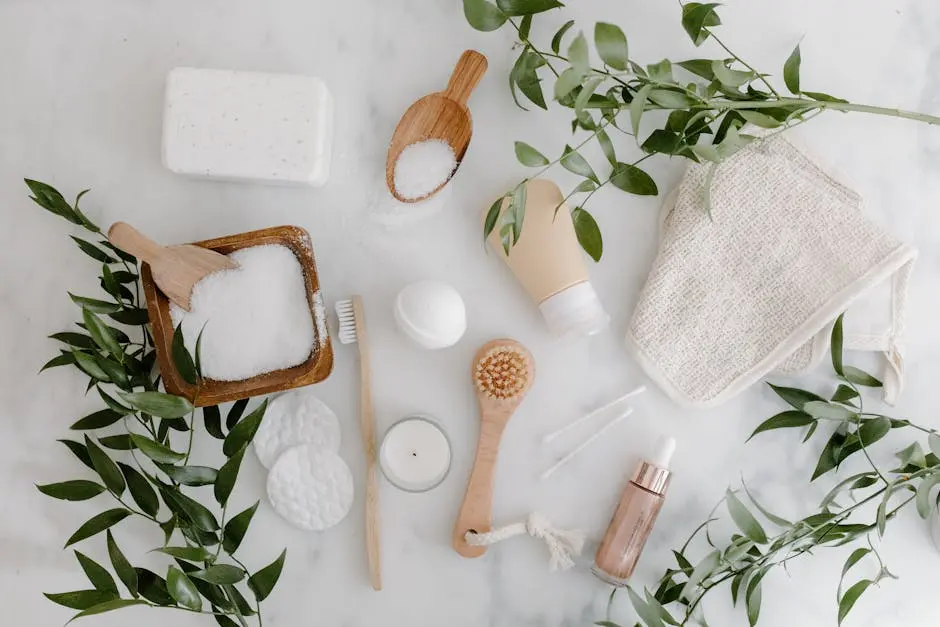
Natural Oils for Moisture and Growth
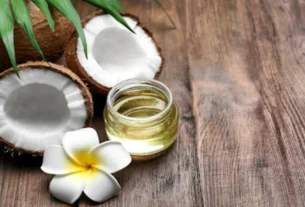
Natural oils get a bad rap. They can actually help retain moisture, condition, and thicken strands, while not weighing hair down.
A little goes a long way when it comes to massaging oil into the scalp, in order to stimulate blood circulation and encourage healthy follicles. Meanwhile, working some oil into the lengths of your hair will help to seal in that precious hydration and prevent split ends
How to Use Natural Oils in Your Routine
For the purposes of massaging the scalp, take a little bit of oil and use it up and down your scalp in a circular motion for three to five minutes. You can do this a couple of times a week, preferably before you shampoo so the oil doesn’t stay on your scalp for too long.
To condition your hair for length, you should put a little bit of oil on your damp hair after you have washed it, making sure to get the ends because these are the parts that tend to be the driest. A little bit of oil goes a long way, so just take it slow and easy.
If you want to do an overnight oil treatment, make sure you shampoo really well in the morning so that there isn’t any left in your hair.
Protecting Hair While You Sleep
Nighttime damage is one of the main reasons why people have unhealthy hair. The friction that occurs between the pillow and the hair strands can cause several damages to the hair structure.
The use of a smoother surface and a hair wrap can reduce the damage that friction does to the hair.
Simple Nighttime Habits That Help
Do not wear your hair in tight styles to allow it to grow healthier as the stress from the strands throughout the night may cause damage to the root of the hair. To prevent tangling and stretching the hair strands, start with loosely braided or twisted hair at night.
Try to use a smooth silk wrap or scarf to preserve your curly hair. It will significantly reduce frizz, and hair will be more manageable in the morning.You will see that your hair will be noticeably less tangled after following the tips above.
Natural Scalp Treatments for Stronger Roots
Healthy hair starts with a healthy scalp. Ignoring scalp care often leads to weak roots, no matter how many products are applied to the strands.
Herbal scalp treatments can help improve circulation and reduce inflammation, creating better conditions for hair to grow. Consistency matters more than intensity when it comes to scalp care.
How to Apply Scalp Treatments Correctly
Beginning with stripped-back damp hair is the best way to apply any scalp treatment, as this ensures you get the most absorption. Use your fingers to massage the treatment into your scalp for several minutes, concentrating on parts of your scalp that are dry, tight or itchy.
Wait the recommended time with the treatment for your hair type before rinsing or shampooing, according to product variety. Just doing this once or twice a week will usually be enough to notice gradual results. Modest changes such as a dosh scalp massage with natural oils once a week can have an impact in a matter of weeks.
Common Mistakes to Avoid With Natural Hair Care
Even with the best products, small mistakes can slow down your progress. Avoiding these common pitfalls can help you see results faster.
Switching products too often. Give each product at least two to three weeks before judging its effectiveness, since hair needs time to adjust.
Using too much product. More isn’t always better. Excess oil or conditioner can weigh hair down and lead to buildup.
Ignoring your specific hair type. A product designed for dry hair may not suit oily or fine hair, so match formulas to your actual needs.
Skipping scalp care. Focusing only on the strands while ignoring the scalp limits how much improvement you’ll actually see.
Not being consistent. Natural ingredients work gradually, so sporadic use often leads to disappointing results.
Building a Personalized Natural Hair Care Routine
It is critical to recognize that each head of hair is unique in terms of its needs and requirements. Therefore, a universal approach is unlikely to produce the desired outcome. A variety of factors, including genetics, the local climate, the quality of water, and the way of styling, should be considered.
It is essential to analyze one’s needs and/or concerns and determine the type of hair care products for natural hair that would benefit one’s hair. Moreover, it is vital to pay particular attention to the products’ effects on the hair and scalp after a few weeks of usage. Typically, it takes a long time for the hair to respond, and even a small difference can signify progress.
Final Thoughts
Selecting the best hair products for natural hair requires a little bit of trial and error, but it makes all the difference. Milder formulas, regular practices and knowing what your hair needs can make a visible difference in the condition and strength of your hair over time.
Start by focusing on the essentials: a good shampoo, a moisturizing conditioner, a suitable oil and some scalp pampering and then build gradually. Consistency with simplicity almost always beats inconsistency with complexity.
Frequently Asked Questions
Which hair products are the best for natural hair? Natural shampoo, plant-based conditioner, nourishing oil, rare scalp treatments (tailored to hair type) should make the best routine.
How long does it take to witness the effects of natural hair care products on hair? After two weeks of use, most people report improvements to their scalps and a better feel of their hair, and after two months, they notice a bountiful improvement in their hair’s overall condition.
Do natural hair care products prevent hair breakage? Indeed, appropriate conditioning and using plant-based conditioners and natural oils may significantly minimize hair breakage caused by combing and other forms of damage.
Do natural hair care products work for all hair types?
Natural products can work for most hair types, but you have to select the right formulas for your hair texture and concerns for best results.
How often should I apply natural oils to my hair?
Tending the scalp with natural oils once or twice a week is supposed to be enough for most hair types, even though very dry hair can use more.
Should scalp treatments be used separately to shampoo?
Not every day but dedicated treatments for the scalp can have more specific benefits, particularly if you’re suffering from dryness, irritation, or slow growth.